How to grow potted hibiscus? Care methods and precautions
The flowers of the hibiscus are like an elegant woman dancing in a gorgeous long dress. In summer, the tree full of flowers and rich colors make you unable to resist being captivated. If you also want to grow hibiscus, then let the editor tell you the cultivation methods and care tips for hibiscus!
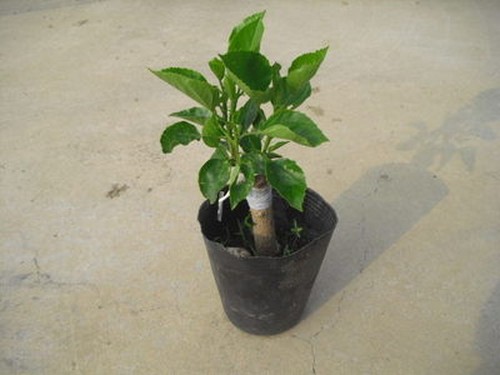
1. Growth habits of hibiscus
Hibiscus grows in sparse mountain forests. It is easy to grow, has strong stress resistance, and has very few pests and diseases. It likes a warm, humid climate, is not cold-tolerant, and requires sufficient sunlight. It grows well in areas with an average temperature above 10°C. It likes light and is not shade-tolerant. It is suitable for slightly acidic soil rich in organic matter with a pH of 6.5--7. In the south, it is planted in the ground as a flowering hedge, and in areas north of the Yangtze River basin it is grown in pots in greenhouses.
2. Cultivation methods for hibiscus
For potted hibiscus, the pot needs to be changed every spring, and pruning and shaping should be carried out. Hibiscus is relatively tolerant of fertilizer. During the growing season, apply fertilizer once a month, and apply phosphorus and potassium fertilizer 2-3 more times during the flowering period. If there is insufficient light, flower buds are prone to drop, flowers become smaller, and flower color becomes dull. In winter in the Nanjing area, it must be moved indoors to overwinter.
1. Pot placement space: Cut shoots should be planted in 11cm pots using a fertilizer medium of clay and lime. The space should be 25~30 pots per sq m.
2. Summer temperature: 18+2°C (at sunrise)
3. Winter temperature: 16+2°C (at sunrise).
4. Outdoor temperature: 26°C.
5. The temperature of the heated bench can be 2~3°C higher than the air temperature. The minimum temperature refers to using screens at night; otherwise, the temperature should be raised.
6. Humidity: Relative humidity should not be too high.
7. Shading: Not needed.
3. Care tips for hibiscus
The flowering period of hibiscus is very long. Under conditions of 15°C to 20°C, it blooms continuously all year round. Hibiscus has strong resistance and relatively extensive management, and does not require special management. As long as the following principles are mastered in care, it can grow robustly.
1. Repotting and pruning: First, replace with new culture soil; second, cut off some overly dense and curled fibrous roots; third, apply sufficient base fertilizer, and add a little phosphate fertilizer at the bottom of the pot.
2. Management after moving outdoors: Hibiscus is a sun-loving tree species. In early May, it should be moved outdoors to a sunny place. This is also the growing season for hibiscus, so management work such as fertilizer and water, loosening the soil, and weeding should be strengthened.
Potted hibiscus is generally moved outdoors in April. Before moving outdoors, change the pot and carry out appropriate shaping and pruning to maintain a beautiful crown. During the growing season, watering must be sufficient. It must not lack water or suffer waterlogging. Usually water once a day, and in the dog days of summer water once each in the morning and evening. Sprinkle water on the ground frequently to increase humidity and lower temperature, and prevent young leaves from drying and scorching and flowers from falling early. After the weather turns cool at the end of October, move it into a greenhouse, and keep the temperature above 12°C. Management after autumn should be careful, and attention should be paid to applying less fertilizer later to avoid producing autumn shoots. Autumn shoots are tender and have weak cold resistance, and will suffer freezing damage in cold weather.
After Frost's Descent and before the Beginning of Winter, it must be moved indoors to keep warm. The overwintering temperature should be no lower than 5°C to avoid freezing damage, and no higher than 15°C to avoid affecting dormancy. Poor dormancy will lead to weak growth and flowering the next year. Any furniture room facing south with good insulation conditions can be used for overwintering. When the weather is colder, cover with paper or plastic film to keep warm. When first moved indoors, open the windows for ventilation every day during the day, pay attention to changes in the dryness and wetness of the potting soil, and water appropriately. On the coldest days, watering helps prevent freezing damage, but fertilizing should be stopped.