What to Do When Bugs Appear on Bonsai? Practical Pest Control Methods to Share
Spring is a peak season for flower pests and diseases. Common pests and diseases include: aphids, scale insects, red spider mites, damping-off, rust, and powdery mildew. So how do you get rid of those nasty bugs? First, let us get to know the following common pests! Aphids. Hibiscus, ornamental peach, Chinese hibiscus, Chinese rose, and honeysuckle are all easily harmed by aphids.
For growing flowers at home, it is generally recommended to use some non-toxic and relatively eco-friendly methods to prevent and control pests and diseases. After all, today's lifestyle advocates the concept of "green and eco-friendly," and growing flowers is no exception.
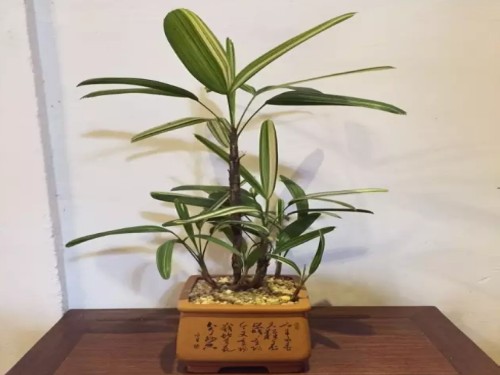
I. Common Flower Pests and Diseases
1. Aphids:
These are the most common pests on flowers. There are many kinds of aphids, and they often cluster on the young, tender parts of the flower plant, piercing into the plant with their piercing-sucking mouthparts to suck out sap. Aphids have a very wide range of damage, such as on chrysanthemums, pansies, dahlias, and Chinese roses. During their life process, aphids excrete honeydew, which provides favorable conditions for the reproduction of other harmful microorganisms, causing leaves to turn black and affecting photosynthesis. Therefore, aphids should be eliminated promptly when found.
2. Red spider mites:
The individuals are very small, but the range of damage is very large, such as on chrysanthemums, dahlias, Chinese roses, and azaleas. Because this pest is small, it should be discovered promptly and controlled early.
3. Scale insects:
There are many kinds of these pests with a very broad diet, and they can harm many flowers such as cactus, Chinese rose, oleander, and osmanthus. The secretions of scale insects also contain honeydew, which can lead to growth problems.
4. Whiteflies:
Whiteflies are very small, only 1 mm long, white, and reproduce quickly, so the damage is severe. Plants harmed by whiteflies can also lead to massive reproduction of harmful microorganisms, causing leaves to become moldy and black.
II. Clever Ways to Control Potted Flower Pests at Home (Simple, Easy, and Pollution-Free)
1. Soak tobacco shreds or cigarette butts in water. After the water turns brown, spray it on the branches and leaves of potted flowers to control whiteflies and aphids; water the potting soil thoroughly with it to control ants.
2. Put garlic, scallion heads, or onion scales into water and soak for 24 hours, then filter. Spray the filtrate on potted flowers 2-3 times to kill red spider mites and aphids.
3. Mix dishwashing detergent with water at a ratio of 1:500 to make a solution, and spray it on the branches and leaves of potted flowers. It can very effectively kill aphids.
4. Soak plant ash in water for 2 days, and spray its clear liquid on the affected branches and leaves of potted flowers to kill aphids.
5. Put a little laundry detergent or soap into clean water and stir it into soapy water. Apply the soapy water to the branches and leaves of potted flowers to effectively kill aphids, red spider mites, scale insects, and other pests.
III. Disease Control:
1. Potassium permanganate for controlling powdery mildew. Spray flowers with a 0.02-0.03% potassium permanganate solution. After a few days, the disease spots will gradually disappear, and the diseased leaves will return to normal growth. 2. Vinegar for controlling powdery mildew. Mix vinegar with water to make a 5% solution and spray. After 2-3 times, powdery mildew can be controlled.
3. Baking soda for controlling powdery mildew. Baking soda solution is weakly alkaline, and pathogenic bacteria find it difficult to survive in a weakly alkaline environment. Therefore, spraying flowers with a 0.2% baking soda solution gives good results in controlling ** disease.
4. Garlic juice for controlling rot disease. Use a knife to scrape off the rotten part of the flower, exposing the healthy tissue around the diseased area, then evenly apply garlic juice to the wound. Repeat once a week, and 2-3 times is enough to cure it.
5. Iodine tincture for controlling rot disease. Scrape off all the rotten part of the flower, reaching deep to the xylem, apply iodine tincture, and apply it once more after 7-10 days for a complete cure.
6. Plant ash for controlling root rot. Expose the roots of the surface soil in the flower pot**, cover the roots with an appropriate amount of plant ash (depending on the size of the pot), then cover the plant ash with soil. The effect of controlling root rot is very good, especially for narcissus and cacti.
IV. Disease Symptoms
1. Diseases appearing on branches and trunks
These appear in the phloem and cambium of branches and trunks as rot, stem rot and cankers on branches and trunks, surface rot of branches and trunks, decay of the inner wood, and spots on twigs. Usually, Bordeaux mixture should be sprayed, followed by lime sulfur mixture, and the rotten parts should be scraped off.
2. Leaf diseases
Leaf diseases usually show symptoms such as yellow-brown or black spots, curled leaves, wilting, and early leaf drop. They may be chlorosis, leaf spot disease, sooty mold, or powdery mildew. For leaf spot disease, remove the diseased leaves and spray Bordeaux mixture; for chlorosis, spray the leaf surface with a 0.1-0.2 ferrous sulfate solution; for powdery mildew, spray with 0.3-0.5 degrees Baume lime sulfur mixture.
3. Root diseases
The roots of tree-stump bonsai age easily and are prone to root rot or root nodule disease caused by various bacteria and fungi. Attention should be paid to disinfecting the potting soil and controlling the amount of watering.