Reasons Why Potted Rose Leaves Turn Yellow and How to Fix It
Rose, also known as cishi rose, panhui flower, assassin, and chuānxīn rose. A shrub of the genus Rosa in the family Rosaceae. As a crop, its flowers are mainly used for food and for extracting rose essential oil; rose oil is worth more than the same weight of gold and is used in cosmetics, food, fine chemicals and other industries. It is also an important material for cut flowers and potted plants.
Potted roses are very popular among everyone, and various problems come up during cultivation. Recently, some flower lovers have run into the problem of mini rose leaves turning yellow. So what should you do when potted rose leaves turn yellow? Below, the editor will introduce the causes and solutions for potted rose leaves turning yellow.
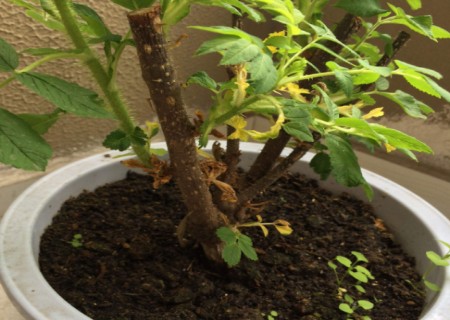
1. Environmental change: shortly after purchase, the plant is in an adaptation period, so a small amount of yellow leaves is very normal and very common.
Solution: There is no need to worry in this situation. You can take measures to reduce the degree of environmental change, and it will be fine once the plant adapts.
2. Overwatering: The leaves are dull yellow and lack luster, the old leaves show no obvious change, the branches are thin and yellow-green, and the new shoots shrivel and stop growing, indicating overwatering.
Solution: Stop watering and wait until the soil is dry before watering again. Do not water too much each time. If there is too much moisture, it easily causes root rot and yellow leaves.
3. Long-term lack of water: Leaves curl and turn yellow.
Solution: Just make sure to water thoroughly and generously.
4. Scorching sun: Strong direct sunlight easily causes leaf tips and leaf edges to dry out, and yellow spots appear on the sun-facing part of the leaves.
Solution: Too much shade is a problem, but also remember not to expose the plant to scorching sun, as the leaves easily turn yellow and flowering is affected.
5. Dry air: The potting soil is too dry. If the soil in the pot has not been watered for a long time, it can also cause the leaf surface to wither and turn yellow.
Solution: Place it indoors in a relatively cool place, avoid direct sun, and pay attention to watering.
6. Insufficient sunlight: If the plant is kept in a shaded environment for a long time, the leaves cannot get enough sunlight and cannot form chlorophyll, so the whole plant's leaves turn yellow and then fall off.
Solution: If light is insufficient, yellow leaves are inevitable, and in severe cases the whole plant may rot and die. You can move the plant to a place with sufficient light, but remember not to expose it to scorching sun.
7. Too high temperature: Leaves curl and turn yellow, and the whole plant wilts.
Solution: Move the plant indoors to a cool, shaded place.
8. Too low temperature: When the temperature is low, the plant enters a dormant period in winter, which means the leaves turn yellow and fall off, and may even drop until only bare stems remain.
Solution: You can provide appropriate insulation, and the temperature must not be lower than 8°C.
9. Overfertilizing: Overfertilizing shows as the tips of old leaves turning yellow, withering and falling off.
Solution: Stop fertilizing and wait until spring, when a large number of new buds emerge, then apply additional fertilizer according to the growth situation.
10. Long-term lack of fertilizer: New roots turn yellow, leaf color becomes lighter and pale green, and later gradually turns yellow and dries up.
Solution: Fertilize in an appropriate amount; do not overfertilize.
11. Root rot: When the flower pot is not breathable, or the pot is large and the roots are small, avoid the potting soil staying wet for a long time, which causes root rot.
Solution: At this point, you should replace it with a breathable flower pot and place the plant in a dry place.
12. Pests and diseases: Damage from leaf spot disease and root rot. When leaf spot disease is severe, it can cause large numbers of leaves to fall off. If there are pests such as earthworms or wireworms (red spider mites, beetles) in the potting soil, yellow leaf symptoms can also appear.
Solution: Buy “carbendazim” or “thiophanate-methyl” at the flower market. Both are commonly used chemicals. After buying them, dissolve them in water according to the ratio and spray.
In fact, in most cases rose leaves turn yellow because of overwatering. Roses are afraid of waterlogging. If potted roses are overwatered, or ground-planted roses are grown in low-lying, waterlogged spots, the lower leaves will turn yellow and fall off, and may even cause death. Prevention and control measures for water-induced yellowing in roses:
1. Use a well-drained medium and plant in a high, open location. During the rainy season, drain promptly to prevent waterlogging.
2. Potted roses should not be watered too many times per day; once a day is enough. In excessively hot summer, water once in the morning and once in the evening each day; in winter, control watering.
3. If the lower leaves of the rose have already turned yellow, stop watering immediately. For potted roses, it is best to loosen the soil or medium around the plant so the moisture evaporates as quickly as possible. For ground-planted roses, if there is continuous rainy weather, dig drainage ditches around the plant to remove standing water promptly.
Tips:
1. Roses love a warm, humid environment, but direct sunlight should be avoided.
2. Rose flowers last 3-5 days in summer and about a week in winter.
3. Keep them away from air-conditioning vents (the same goes for any flower).