Common Causes of Root Rot in Spider Plants and How to Treat It
Potted flowers and plants often suffer from root rot due to uncontrolled watering, improper fertilizing, and poor management, which can destroy flowers and plants carefully cultivated for years or even decades. It is truly a pity. If an accurate diagnosis can be made in the early and middle stages of root rot and effective measures are taken, the death of some flowers and plants can hopefully be avoided. Below, taking root rot in spider plants as an example, we analyze the causes of root rot and how to treat it.
Root rot in spider plants is mainly caused by root injury, waterlogging, or excessive fertilizing. When repotting or dividing, be sure to damage the roots as little as possible, and let them dry in the air for a day before potting. Also control the amount of water: water only when the soil is dry, and root rot can be avoided. Long-term watering plus poorly aerated potting soil can also cause this symptom.
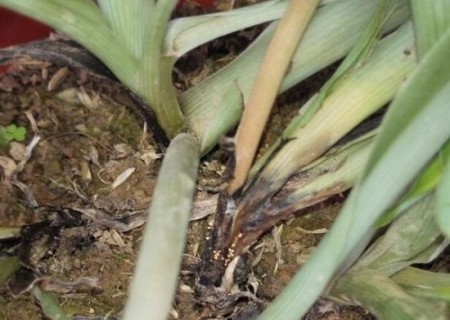
For spider plants, it is best to apply light fertilizer frequently. Never apply concentrated fertilizer or unrotted raw fertilizer, otherwise the roots are very easily burned. You can now tip the plant out of the pot, trim off the rotten roots, place it in a cool place to dry in the air for 2-3 days, and then plant it in new soil. The new soil only needs to be loose, breathable, fertile, and well-draining.
How to treat root rot in spider plants:
First, dig the spider plant out, cut off the rotten roots, and disinfect with potassium permanganate solution. If there is no potassium permanganate, carbendazim will also work. If you have nothing on hand, just clean off the rotten roots thoroughly, then put the plant in a ventilated place to dry. Do not put it in the sun; drying it in a cool place is enough, then replant it in new soil.
Speaking of replanting, because spider plants are very easy to grow, if a gardening friend has pure sand on hand, they can first grow it in pure sand. In my testing, spider plants grown in pure sand root quickly!
Treatment tips for the following situations:
1. If the spider plant only has slight root rot, it is very likely due to overwatering and soil that is too wet. At this time, careful care is needed to let it slowly recover. Reduce the amount of water each day: water once in the morning and once in the evening, then gradually reduce it to watering once a day or once every two days. In this way, the spider plant's soil will not be too wet, and the root rot will gradually improve.
2. When there are signs of root rot in a spider plant, promptly move it out to get some sun, but be careful not to expose it to prolonged direct sunlight. It is enough to give it some sun and sufficient light. About two hours outdoors each day, and the slight root rot symptoms of the spider plant will generally gradually improve.
3. After appropriate watering and sun exposure, if the root rot symptoms of the spider plant have not eased, you can appropriately use some plant nutrient solution. Be sure to add it strictly according to the instructions on the bottle, and do not use too much, so as not to achieve the opposite effect. It is best to dilute it with clean water in proportion and spray it on the leaves, as this is more conducive to the plant absorbing nutrients than adding it to the soil.
4. Usually, a spider plant does not have only one root crown. If only a few crowns of the spider plant have root rot, you can separate the roots that have not rotted from the rotten roots and grow them in a new pot, which can ensure the spider plant continues to grow; the rotten root portion can be thrown away.
5. If the root rot of the spider plant is very severe, the rotten roots must be cut off. Use a sterilized knife to cut off the rotten roots and throw them away, apply rooting agent to the remaining part, and then change to new soil. In this way, the spider plant will slowly grow new fleshy roots and thrive again.
6. If the roots of the spider plant are completely rotten and the hope of regeneration is slim, then transplant and cultivate it promptly. You can use the small plantlets on the spider plant's runners for transplanting. During the growing season, cut off the small plantlets on the runners and plant them in potting soil or water. After the small plantlets grow roots, transplant them into a pot. In this way, you can successfully cultivate a new spider plant.
Personally, I think keeping spider plants indoors is not as easy as keeping pothos. The most common problem with spider plants is root rot. Root rot in spider plants is mainly caused by root injury, waterlogging, or excessive fertilizing. So how can root rot in spider plants be avoided?
When repotting or dividing, be sure to damage the roots as little as possible, and let them dry in the air for a day before potting. Also control the amount of water: water only when the soil is dry, and root rot can be avoided. Long-term watering plus poorly aerated potting soil can also cause this symptom. For spider plants, it is best to apply light fertilizer frequently. Never apply concentrated fertilizer or unrotted raw fertilizer, otherwise the roots are very easily burned.