Causes of Root Rot in ZZ Plants and How to Fix Them
People often say, “If only I had a money tree, I could just shake it whenever I wanted money.” Of course, this is just a fantasy; a money tree does not exist in reality. But among the plants around us, there is one that makes people think of a money tree, and that is the ZZ plant (Zamioculcas zamiifolia). The ZZ plant is a perennial evergreen foliage plant, with lush green leaves all year round. Its thick, glossy leaves look like coins strung along a single stem, which is how it got the name “money tree.” It is regarded as a plant that symbolizes bringing in wealth and rolling in money, and it is said that keeping one at home improves feng shui and attracts wealth, which is why it is loved by many plant enthusiasts.
People keep ZZ plants at home just for its auspicious meaning, and its plant shape is quite attractive too. With strings of coin-like leaves paired with a fairly plain ceramic pot, it looks quite good. The two most important things in ZZ plant care are: water sparingly, and protect it from freezing. Do both, and the ZZ plant is very easy to keep alive.
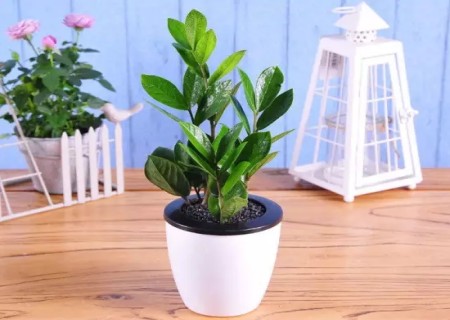
Causes of root rot in ZZ plants:
The ZZ plant likes a warm, humid climate with plenty of sunlight. Root rot occurs mainly for the following four reasons:
1. Overwatering
The ZZ plant is fine with potting soil that is slightly moist; by nature it does not like water. But if the potting soil drains poorly and the water turns stagnant and foul, it will cause root rot. Generally, the ZZ plant suits a somewhat dry yet humid environment. Watering once every 1 to 2 months is most suitable. It is best to water in the evening, and not too much at a time.
2. Overfertilizing
Overfertilizing a ZZ plant can also cause root rot. This is especially true if you start using a fairly strong fertilizer before the roots have grown well; strong fertilizer will burn the plant's root and stem base, causing root rot. Of course, if fertilizer is lacking for a long time, pests may feed on it and also cause root rot. So in the process of growing a ZZ plant, you must fertilize regularly to provide nutrients.
3. Pathogen infection
If you are not careful when watering or when it rains, pathogens may splash onto the ZZ plant, which can also cause pathogen infection and lead to root rot.
4. Unsuitable soil
ZZ plant root rot can also be caused by unsuitable soil. If the soil is too fertile, or too dry, since it is a tropical plant, the soil must contain zinc and iron to ensure the ZZ plant's survival rate. So during cultivation, the choice of soil is essential.
Solutions for ZZ plant root rot:
1. Repot the plant
Generally, root rot in ZZ plants is caused by watering, so you need to promptly take the plant out of the pot, shake off some of the old soil, and place it in a semi-shady, cool spot to dry for 1-2 days, then repot it in fresh sandy loam. After that, do not use too large a pot, and do not water too often. Water when the potting soil is 70% dry. Never follow a rigid watering schedule; water flexibly. If the root rot is fairly severe, it is best to shake off all the soil, then soak the roots in a 500-fold dilution of potassium permanganate or carbendazim solution for 5-10 minutes, rinse once with clean water, then let the roots dry and repot.
2. Apply charcoal powder
First take the plant out of the pot, cut away the rotted tubers and branches and leaves, then apply charcoal powder to the wounds, leave the roots exposed in a warm place, and after the wounds dry, bury them in potting soil. Stop watering until spring warmth raises the temperature above 20°C, then resume normal watering, but the amount must be small, just enough to keep the potting soil slightly moist.
Although the ZZ plant is a tropical plant, it does not like moisture. High humidity can cause root rot, so care for the ZZ plant requires attention. If root rot occurs, deal with it as soon as possible.
The ZZ plant is a lazy person's plant; it does not need much care and does fine with rough treatment. If you pay attention, you will surely notice that after growing for more than half a year, the ZZ plant has not changed at all; it is a particularly slow-growing plant. In ZZ plant care, pay attention to watering frequency and amount: water once a month, just until the soil is thoroughly soaked. If you water often, or if the potting soil becomes waterlogged or compacted, root rot is likely. If root rot has already occurred, you need to pull up the plant, cut off the rotted roots, wash them, soak them in potassium permanganate solution, and then repot in fresh sandy soil.