Reasons and Solutions for Yellowing Leaves of Potted Aspidistra
Foliage plants always give people a feeling of life and vitality, because they are basically green, and green represents luxuriant growth and is the color of spring in nature, which is also the reason why most homes and offices buy potted green plants. But in daily care, it is inevitable to encounter the symptom of lush green leaves turning yellow, which has to be said is a problem that 90% of people will encounter.
Such a common problem cannot be completely eliminated; how to reduce its occurrence is the most important thing. At present, as long as we understand what causes the yellowing of leaves and treat the root cause, we can easily solve the problem!
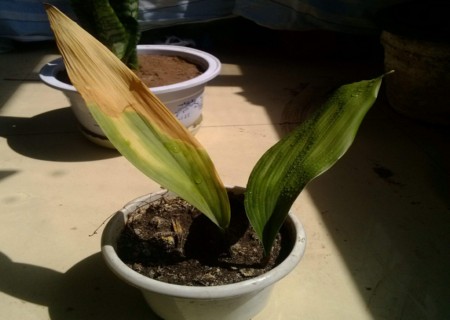
Below is an introduction to the reasons and solutions for yellowing leaves of potted Aspidistra:
1. Too much light
Excessive strong light, even after a brief period of direct exposure, will damage the leaves and make them yellow. Solution: move the plant away from intense direct sunlight, and it can be placed in a semi-shaded condition with sunlight.
2. Insufficient light
Although it is shade-tolerant, it is still a green plant after all. Without light, its growth will inevitably be hindered, photosynthesis will be reduced, and leaf yellowing will also be triggered. Solution: plants in dark places need to be taken out occasionally and adjusted for a period in a place with light, to promote the sprouting and growth of new leaves and make the leaf color beautiful.
3. Too concentrated fertilizer
It is inherently tolerant of poor soil and does not need too much fertilizer sprayed on it. A small amount of fertilizer should be applied for adjustment, otherwise root burn is likely to occur, and leaf yellowing will be caused by fertilizer damage. Solution: spray diluted liquid fertilizer, in small amounts and infrequently.
4. Too much watering
Although it likes a moist environment, it will not die after a brief drought period of a few days. Once there is too much water, it is not conducive to root respiration, causing leaf yellowing. Solution: water should be controlled reasonably, neither too much nor too little, watering when dry and stopping when wet; during the growing season, the amount can be appropriately increased.
5. Pest infestation
If cultivated indoors, red spider mite disease often occurs, causing leaf yellowing. Solution: pay attention to the condition of the leaves on ordinary days, and it can be solved by spraying nissol, dicofol and other measures.
Warm reminder:
Plants often show yellowing leaves during their growth period. If a few leaves at the lower part of the plant turn yellow and fall off, that is a normal metabolic change. However, there are many reasons for abnormal leaf yellowing; some are caused by one reason, and some by multiple reasons. During care, you must observe carefully and analyze the reasons so that targeted prevention and treatment can be carried out.