What to Do About Root Rot in Asparagus Fern - Pruning Asparagus Fern to Encourage Root Sprouting
Asparagus fern is light and airy, lush green, with soft foliage, stems and nodes resembling bamboo, an elegant and unrestrained posture, and tenacious vitality. It is one of the favorite household flowering potted plants of many homeowners and plant lovers.
Asparagus fern is a green potted plant that looks elegant and distinctive, and its air-purifying effect is also quite good. Paired with some plain flower pots, it looks uniquely charming. Caring for asparagus fern requires a warm, slightly humid environment; it likes bright light, can be given appropriate scattered light, and needs a certain level of air humidity. But plant lovers often find that their potted asparagus ferns frequently suffer from root rot. Why does root rot happen?
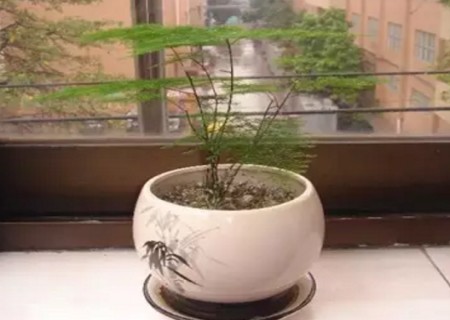
1. Improper watering
Watering is crucial when caring for asparagus fern. Too much water causes root rot; too little water makes the plant dry out and drop leaves. Watering should wait until the potting soil is completely dry, then water thoroughly. In winter, when temperatures are low, keep the potting soil slightly dry and avoid frequent watering.
2. The plant being frozen
In winter, it is best to keep the temperature above 7 degrees to avoid freezing, as freezing easily leads to root rot.
3. Improper fertilizing
Avoid applying concentrated fertilizer or fertilizing frequently, as this easily causes leggy branches and leaves and root rot. During care, there is no need to fertilize frequently; just apply appropriately diluted nitrogen fertilizer or organic liquid fertilizer.
4. Improper soil mix
A poorly prepared soil mix can also cause root rot in asparagus fern. Choose a loose, fertile, well-draining sandy soil. Nutrient soil can be appropriately mixed with some fine sand, and gravel can be placed at the bottom of the pot to prevent the drainage holes from becoming blocked.
5. Improper repotting
Asparagus fern needs to be repotted once every 2-3 years, otherwise the roots will fill the entire pot, and over time the potting soil easily becomes waterlogged, causing root rot. It must be repotted once every 2-3 years.
Master the care tips above, and your asparagus fern will grow very well. When repotting, you can also propagate by division, and proper pruning each year can maintain a good shape. So, when root rot occurs, how should you remedy it?
1. The method for dealing with root rot in asparagus fern is actually very simple. First, take the asparagus fern out of the soil or water and clean the roots thoroughly.
2. Use a sterilized knife to cut off all the rotted roots of the asparagus fern, then apply carbendazim to prevent bacteria.
3. Place the asparagus fern in a cool place to dry; it must not be exposed to direct sunlight, as this will damage the asparagus fern.
4. After it dries, simply repot the asparagus fern. Remember, if growing it in water, be sure to thoroughly clean and disinfect the container. At the same time, it is best to use a planting basket to secure the asparagus fern and not let it come into direct contact with the bottle wall.
In addition, in spring, which is the peak growing season for asparagus fern, cut off overly thick new shoots. When they sprout again, the new shoots will be relatively thin, and the more you cut, the thinner the new sprouts will be, thereby achieving the goal of controlling its growth height.