How to Grow Potted Mint: A Detailed Guide to Cultivation Methods and Care Tips
Mint combines ornamental value and culinary use, truly living up to its reputation for both beauty and practicality. Mint grows extremely fast; not only does it have high ornamental value as a potted plant, but it can also be harvested at any time for eating, making it a great choice for brewing tea or adding to dishes.
Mint is also known by other names such as southern mint, night-fragrance, and water mint. It is the general term for perennial herbaceous plants with persistent roots in the Lamiaceae family, genus Mentha. It originated in Europe and along the Mediterranean coast, and is now cultivated all over the world. Its stems and leaves are mainly used to extract essential oil as a natural fragrance. Let's take a look below at how to grow potted mint!
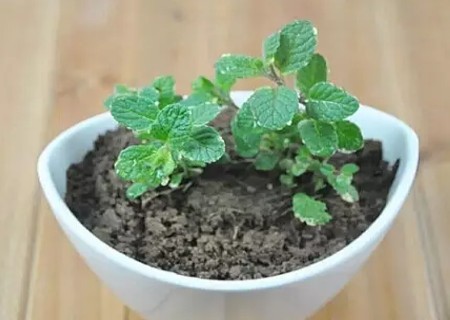
The soil for cultivating mint is best if it is loose, fertile, and well-drained sandy soil; mint requires a fair amount of water, and when grown outdoors on a balcony it can be watered every day; mint grows fast, so the pot should be repotted once every spring.
Mint prefers a warm climate. The most suitable temperature for growth is 20-30 degrees. It likes bright light, and sufficient sunlight helps form the mint's aroma. Mint kept indoors should be moved to a sunny spot for a day or two every few days, then moved back indoors. It is also very cold-tolerant; even if the winter temperature drops to around 2 degrees, causing the plant to begin to wither and enter dormancy, it can still sprout and grow again the following year.
1. Soil
Mint is not very demanding about soil. Apart from overly sandy, overly clayey, excessively acidic or alkaline soil, and low-lying poorly drained soil, it can generally be grown in most soils, with sandy loam and alluvial soil being best. The suitable soil pH is 6 to 7.5.
2. Sunlight
As a potted plant, mint is generally kept in a semi-shaded environment, that is, exposed to diffused light rather than direct sunlight. If kept on a balcony, it can be placed at the base of a wall on the side facing away from the sun, which can block some of the sunlight. If kept indoors, it is best placed 3 to 5 meters away from a sunny balcony so that it receives diffused light.
3. Temperature
Mint has a strong ability to adapt to temperature. Its rhizomes persist through the winter and can withstand low temperatures of -15°C. The most suitable temperature for its growth is 25°C to 30°C. When the temperature is below 15°C, growth is slow; when it is above 20°C, growth speeds up. At 20°C to 30°C, as long as water and nutrients are suitable, the higher the temperature, the faster it grows.
4. Watering
Mint likes a moist soil environment and is fairly moisture-tolerant. Especially during the growing period, the soil should be kept moist, but the amount of water should not be too much, and waterlogging must be strictly avoided. When watering normally, maintain the habit of "don't water if not dry, water thoroughly when you do." If rice-washing water is used, it will be even more beneficial to mint growth. In winter, reduce the frequency and amount of watering.
5. Fertilizer
Growing mint requires fertilizer, and mint likes fertilizer. During its growing period, apply fertilizer once a month, mainly nitrogen fertilizer, with appropriate application of phosphorus and potassium fertilizer. If stems and leaves need to be harvested during the growing period, fertilizer should be applied at the time of harvesting to help the plant recover a good shape.
Tips:
If potted mint is grown well, it will repay you as well--it will produce pretty light purple small flowers. Also, don't be reluctant to prune it; this plant grows better the more it is pruned!