How to grow a pearl plum bonsai? A full breakdown of everyday care methods
The pearl plum is like a graceful young beauty, combining the character of plum blossom, the elegance of chrysanthemum and the flowing grace of willow, giving people visual enjoyment of beauty and a quiet inner realisation. The pearl plum gets its name because its flowers are pearl-coloured. Its flowers and leaves are clear and lovely, and its flowering period is very long, making it a very popular ornamental tree species in landscaping; it can be planted as a specimen, in rows, or in groups with excellent effect.
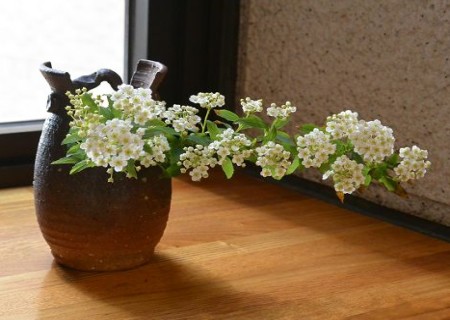
The pearl plum has fairly strong sprouting and regeneration ability, a very wide cultivation range, and low demands on soil; the management of water, fertiliser, temperature and light is also relatively extensive, making it suitable for greening and beautification planting in various places. The most suitable growing temperature is 18°C~32°C. If the temperature is suitable, the light is sufficient, and reasonable water and fertiliser management is combined with this, the pearl plum can enter a lush growth period, and pearl-like flower buds will compete in splendour on the crown.
How to grow a pearl plum bonsai:
1. Soil: The pearl plum has low demands on soil, but it grows better and flowers more profusely when cultivated in deep, fertile sandy loam.
2. Light: The pearl plum tolerates partial shade, but it also grows well in sunlight.
3. Watering: Water the pearl plum promptly during spring droughts; during summer and autumn droughts, water thoroughly to keep the soil from drying out; before winter sets in, water once more with anti-freeze water.
4. Fertilising: The pearl plum has low fertiliser requirements; applying enough base fertiliser at planting time is enough to meet its growth needs, and generally no additional top dressing is needed. Afterwards, just apply base fertiliser once every 1-2 years in combination with winter management.
5. Pruning: After flowering, promptly prune away remaining flower stems, diseased and pest-infested branches, and old or weak branches to keep the plant shape neat, avoid nutrient consumption, and promote robust growth with abundant flowers and lush leaves.
6. Pests and diseases: The main diseases of the pearl plum are leaf spot, powdery mildew and brown spot; the main pests to prevent are scarab beetles, spotted leafhoppers and so on. Prevention and control should be carried out early to promote healthy growth of the plant.
Notes:
1. The pearl plum is highly adaptable and has low fertiliser requirements. Apart from a small amount of base fertiliser needed for newly planted specimens, no further fertiliser is needed afterwards, but watering is required; generally water thoroughly 2-3 times from bud break to flowering, and water 2~3 times from the start of autumn to before frost.
2. During the bud stage, spray with flower-strengthening tonic to make the buds strong, the petals large, the flower colour vivid and the fragrance rich.
"Pearls so delicate they seem like rainbow garments, suspected of being lotus blooms hiding dark-painted makeup; in the light rain and warm breeze as night first falls, plum fragrance drifts from the pipa strings." This is a poem describing the pearl plum. The pearl plum is lovely yet never loses its elegance, braving frost and snow, and gets its name because its flowers are pearl-coloured.
Whenever I see a pearl plum, I cannot help but think of the line "large pearls and small pearls fall on a jade plate", which the poet Bai Juyi originally used to describe the marvellous, moving sound of the pipa, like pearls falling on a plate of precious jade. Looking at it now, the pearl plum's unopened small buds and its blooming white jade flowers set each other off and complement each other, surely living up to this line "large pearls and small pearls fall on a jade plate"...
About the pearl plum:
The pearl plum is also known as spiraea thunbergii, snow willow and bridal wreath spiraea. Because its flowers are dense when in bloom, like spraying snow, it is named spray snow flower; because its leaves resemble willow leaves and its flowers are white as snow, it is also called "snow willow"; and because it has the charm of chrysanthemum, it is named bridal wreath spiraea. The pearl plum grows beside roads, on rocks and at the edges of fields, in clumps, with branches extending from the base and leaves fresh green and delicate, slender like willow leaves.