What to do if your Gloxinia does not bloom? A few tips to make it bloom more
When it is not blooming, it is truly hard to look at, looking like a patch of bok choy, but once it blooms, the change is earth-shaking~ Gloxinia is small and delicate, with lush green leaves and brightly colored flowers; on the balcony alone there are very many varieties, including blue, white, red and purple, as well as double-flowered and bicolor varieties.
Gloxinia, also known as "falling snow mud." The plant is short, less than a chi in height. The leaves are lush green, thick and large, densely covered with fine hairs. The bell-shaped corolla is large and brilliantly beautiful. The flower colors are rich and the flowering period is long, making it a famous excellent summer potted flowering plant for indoors, blooming every year in spring and autumn. But what should you do if your potted Gloxinia does not bloom?
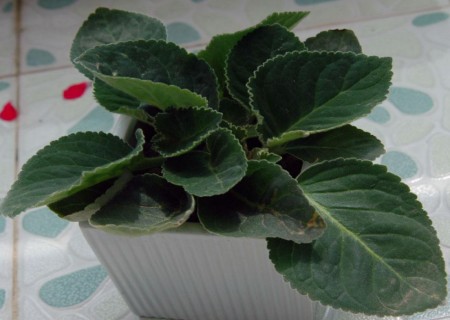
When a potted Gloxinia does not bloom, it may be affected by various conditions, for example, this may be caused by the ambient temperature being too high, unsuitable light, dry climate, too much wind, insufficient fertilizer, or watering too frequently, so only when these conditions are met can it bloom.
Care suggestions:
1. Gloxinia is a semi-sun plant and likes a semi-shady environment, so during the growing period, take care to avoid strong direct sunlight.
2. Gloxinia quite likes fertilizer and requires fertile, loose, well-drained soil rich in humus.
3. During the flowering period, take care to avoid rain, and the temperature should not be too high, which can prolong the flowering viewing period.
Gloxinia blooms beautifully, especially that feeling of flowers blooming in clusters, which makes people feel very pleasantly surprised. So, how can potted Gloxinia bloom more?
1. Light must be sufficient; Gloxinia needs more light than African violets, and direct sunlight before ten in the morning is harmless; insufficient light makes the seedlings weak, with fewer and smaller flowers.
2. Keep only one bud and do not pinch off the top, so that there will be more buds and higher flowering quality. If you want Gloxinia to bloom more, you should pinch the growing tips during its growing period, so that more side branches can sprout and form a rich cluster of flowers.
3. During the flowering period, when watering, try not to pour water on the flowers; this way the flowering time will be extended, especially for single-petaled varieties.
4. Once single-petaled varieties are successfully pollinated, the flowers quickly fall off; you should know that all plants flowering consumes a lot of energy; blooming is not showing off for us to see, it is all for reproduction.
5. Because mature Gloxinia plants are mostly top-heavy, during the flowering season it is best to give them support, propping them up with something, otherwise the flowers cannot be held upright properly.