What to do when your goldfish plant drops leaves? Find the cause and it is easy to fix
The goldfish plant is also known as the goldfish flower, kangaroo vine, and kangaroo plant. Look at that plump little flower belly, and it really does seem a bit like a mother kangaroo! In the depths of winter, when everything outside the window looks bleak and lonely, at times like this, looking at the small golden-orange goldfish laughing and playing among the green waves on the table, you suddenly feel a touch of warmth in your heart.
The goldfish plant (Nematanthus gregarius) is a herbaceous plant that is good for both foliage and flowers. Its leaves are tender green and very pleasing to the eye, but sometimes people notice that it keeps dropping leaves. So why does the goldfish plant drop leaves, and what should you do when it does? Below, let Uncle Gardener analyze the causes of leaf drop in the goldfish plant and how to solve them!
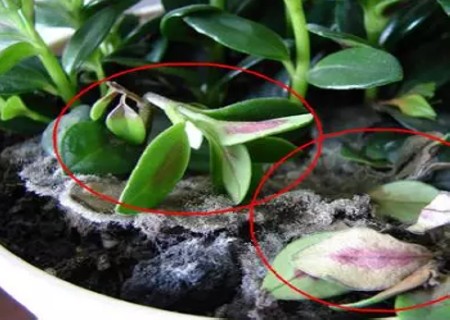
I. Causes of leaf drop in the goldfish plant:
1. Improper placement or light that is too strong
The goldfish plant likes shade and is suitable for growing indoors. It tends to drop leaves when placed outdoors, so in spring and autumn it should be kept away from direct strong sunlight. In summer, when the sunlight is especially strong, it should only receive some slanting light in the morning and evening, and 50%-70% of the sunlight needs to be blocked during the day, otherwise the leaf tips will dry up.
2. Too much or too little watering
The goldfish plant likes moisture, but long-term waterlogging or drought can also cause leaf drop. The potting soil should be kept moist regularly (just slightly moist on the soil surface is enough). In summer, watering should be sufficient, and around noon and in the evening you should also spray water on the branches and leaves to prevent the leaves from drying up.
3. Caused by discomfort from repotting
If you repot it during the flowering period, the leaf tips may turn yellow and withered, and the flowers may fade faster. Just pull off the ones that have turned especially yellow, care for it as usual, and pay attention to shading and keeping the leaf surface moist.
4. Impact of pests
For example, if there are fine soil particles at the bottom of the goldfish plant's pot, there may be ants in the soil. This is because the liquid in the goldfish plant's roots is sweet and cool, which easily attracts ants, or there may already be some ants in the potting soil itself. It is recommended to find a flowerpot and replant it. Then remove the mother plant together with all its soil, and gently rinse off the original soil in a water basin or bucket filled with water, being careful not to damage the roots and rootlets. Finally, choose another flowerpot and replant it properly. Re-cuttings are for safety's sake; it is estimated that after changing the soil and transplanting, the problem you mentioned will be solved.
II. What to do when the goldfish plant drops leaves
1. Appropriate light
The goldfish plant likes a semi-shaded environment. In spring and autumn it should be kept away from direct strong sunlight. In summer, when the sunlight is especially strong, it should only receive some slanting light in the morning and evening, and 50%-70% of the sunlight needs to be blocked during the day, otherwise the leaf tips will dry up.
2. Appropriate watering
The goldfish plant likes a moist environment, and the potting soil should be kept moist regularly. In summer, watering should be sufficient, and around noon and in the evening you should also spray water on the branches and leaves to prevent the leaves from drying up.
3. Re-cuttings
It is recommended to find a flowerpot and take re-cuttings. Then remove the mother plant together with all its soil, and gently rinse off the original soil in a water basin or bucket filled with water, being careful not to damage the roots and rootlets. Finally, choose another flowerpot and replant it properly. Re-cuttings are for safety's sake; it is estimated that after changing the soil and transplanting, the problem you mentioned will be solved.