How to grow and care for the lipstick plant
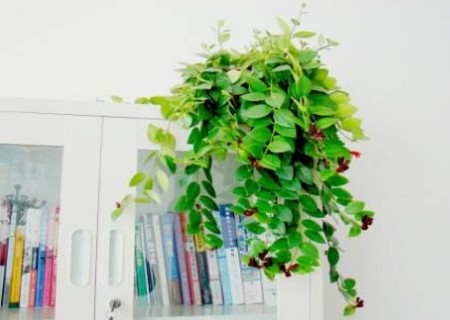
The lipstick plant has trailing stems, dense and plump deep green leaves, and blooms as bright and fragrant as lipstick, making it a top choice among trailing houseplants. With its graceful form, lush foliage and vivid flowers, it not only purifies the air indoors but can also be hung in the home to enhance the owner's taste. So how do you grow a potted lipstick plant? Here is a brief introduction for you.
1. Potting soil
The lipstick plant likes loose, fertile, well-drained sandy loam, and slightly acidic soil is best for potting. You can make a growing mix from peat soil, sand and vermiculite, and add an appropriate amount of superphosphate as a base fertilizer when planting.
2. Light
The lipstick plant likes a ventilated, semi-shaded growing environment, but it is also very light-loving. Except in midsummer, when strong light can easily inhibit the plant's growth and shade measures are needed, it should be given plenty of light in all other seasons.
3. Temperature
The most suitable temperature for growing the lipstick plant is between 15-25°C. Besides properly controlling the temperature during hot summer weather, you also need to keep the plant warm in winter when temperatures are very low, and you can move it indoors for care. Note that a hot, humid environment can easily cause root and leaf rot, while a cold, dry environment can easily lead to poor development and slow growth.
4. Watering
The soil of a potted lipstick plant should be kept slightly moist, but water must not accumulate in the pot, otherwise it will cause root rot. Spring and summer are the plant's peak growing seasons, so from March to September you need to increase watering for the lipstick plant; to raise humidity, you can also spray water on the plant and its surroundings. In autumn and winter, as the weather gradually turns cooler or temperatures drop, you need to reduce watering.
5. Fertilizing
The lipstick plant is quite fond of fertilizer and has a high demand for nutrients during its peak growing season, and its nutrient requirements vary at different growth stages. How to fertilize depends on the plant's growth and growing environment. During the peak growing season, apply a dilute liquid fertilizer once every 2 weeks. At other times, you can supplement nutrients as appropriate based on the plant's growth.
6. Pruning
During the plant's vigorous growth period, you should pinch off the growing tips in time to encourage new shoots; after the flowering period, promptly remove spent flowers, yellowed and withered branches and leaves, and leggy branches. This not only reduces nutrient consumption but also encourages new flowering shoots to grow, greatly increasing the number and quality of flower buds.
7. Pests and diseases
Because the lipstick plant grows very vigorously under normal conditions, it rarely suffers from pests and diseases. However, note that if the plant is kept in a poorly ventilated, humid environment, especially when water accumulates in the pot, it is not only prone to root rot but also vulnerable to root rot disease. When you find the plant has root rot disease, on the one hand you need to improve the growing environment, and on the other hand you can spray Genfuning or 402 emulsifiable concentrate for control.