How to grow and care for potted zinnias (Zinnia elegans) and points to note
Zinnia (Zinnia elegans) is a well-known ornamental plant, sought after by many gardening enthusiasts for its single stems that bloom independently and its brilliant flower colors. Although it is beautiful as a potted flower, how does its care and management go? How should it be managed to grow it well? Below, the editor explains the care and management methods and points to note for potted zinnias.
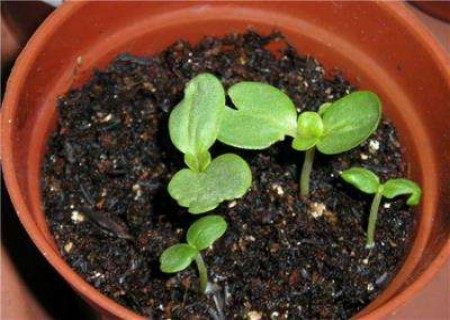
1. Soil
Zinnias like well-drained, fertile and loose soil. The potting mix can be prepared by combining equal amounts of leaf mold, fine sand and garden soil, so as to meet the growth needs of being soft, breathable, comfortable and fertile.
2. Light
As for the lighting requirements of potted zinnias, we can give them full-day sunlight. This is because zinnias are light-loving plants. If light is insufficient, the plants are prone to growing leggy, and their resistance will also become weaker, and the flowering period will also be adversely affected. However, due to the high temperatures in summer, they should avoid direct sun exposure, and shade and cooling measures need to be taken.
3. Temperature
Zinnias like a warm, sunny growing environment and are not tolerant of intense summer heat. The suitable daytime growing temperature is between 18-20°C, and the nighttime temperature is between 15-16°C. If the living environment is good, they will grow at an astonishing rate in summer.
4. Watering
Since zinnias have relatively high light requirements, this also intensifies the evaporation of water in the pot and from the plants. In order to ensure the humidity of the potting soil so as to provide water to the plants, it is recommended to water the plants every day in summer. The amount of watering depends on the conditions in the pot, as long as there is no large accumulation of water in the pot.
5. Fertilizing
Before potting and planting the plants, a small amount of compound fertilizer needs to be applied at the bottom of the pot as a base fertilizer. After planting, Dexon can be used to irrigate the roots for disinfection. Within 7 days after planting, the humidity of the soil in the pot should be maintained to promote normal root growth. When the plant's root system has spread considerably and even touches the bottom of the pot, it is time to apply additional fertilizer, roughly 2 or 3 times every 7 days. On sunny days, spray a thin water-soluble fertilizer; on rainy days, apply granular fertilizer. In addition, some calcium fertilizer can also be supplemented.
6. Pinching
When the seedlings have grown 4 leaves, in addition to potting and planting them, we should also pinch them in time to encourage more side branches to sprout. This can also dwarf the plants, and more importantly, it can shape a good plant form for the potted plants. After the flowers fade, the dried flower heads should also be cut off in time. This not only helps reduce nutrient consumption but also allows more flowers to bloom in the next round.
7. Diseases
Common diseases of zinnias include white star disease, black spot and mosaic disease. Therefore, during care and management, we should frequently observe the growth condition of the plants. Once we find that the plants are sick, we should take corresponding measures to avoid affecting the plants' growth and flowering, or even causing death.
Points to note:
1. Since zinnias have relatively few lateral roots and recover slowly after transplanting, they should be transplanted in a timely manner, and potting and transplanting should be done as much as possible when they are seedlings. If you wait until the plants have grown larger before transplanting, it is easy to cause the branches and leaves on the lower part of the plants to dry up, affecting growth and development and thus transplanting growth.
2. In the early stage of seedling growth, the plants need to avoid strong direct sunlight, otherwise the seedlings are easily scorched.