How do you care for an asparagus fern so it grows more vigorously? Master these care tips
Potted asparagus fern (Asparagus setaceus) has very high ornamental value and decorative effect; the sight of it gives people a gentle and refined feeling, full of a scholarly air. Moreover, when people feel low or nervous, giving them a pot of asparagus fern can, to a certain extent, help regulate their mood and relieve nervous tension.
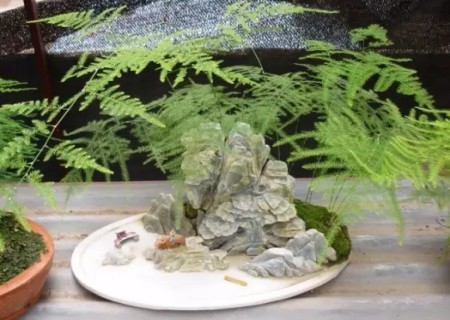
In addition, asparagus fern also purifies indoor air, keeping the room fresh at all times and giving a refreshing experience, making it a very good air-purifying green plant. As long as the care and management methods are appropriate, asparagus fern easily grows lush and leafy. So how can a potted asparagus fern at home grow more vigorously?
Asparagus fern likes a warm and humid growing environment; the soil should not be too dry or too wet, and keeping the potting soil moist is best. So you should normally do a good job of replenishing water for it, and after autumn arrives, as the weather gradually turns cooler, you should appropriately control watering, but you can spray the plant more to keep the branches and leaves bright. In winter, because the environment becomes dry, you need to increase spraying to raise the ambient humidity and make the environment more suitable for the growth of asparagus fern.
Plant growth cannot be separated from nutrients; only when nutrients are sufficient can the plant grow quickly, which is the prerequisite for ensuring vigorous growth and lush foliage. Apart from winter, to promote the growth of asparagus fern, we can also appropriately increase nutrient supply for it, mostly phosphorus fertilizer, and after flowering we can also supplement some appropriately.
Of course, to make a potted asparagus fern grow more vigorously, doing the above points well alone is not enough; we should also pay attention to the following aspects:
1. Avoid exposure to the sun
Because asparagus fern likes a semi-shaded growing environment, although it likes warmth, it should avoid direct strong light, especially the scorching sun in summer, otherwise its emerald green leaves will turn yellow under the baking sun. Of course, plants generally need to receive light to promote photosynthesis and thus growth; you can place the potted asparagus fern in a bright indoor spot so it can receive scattered light.
2. Suitable humidity
The normal growth of asparagus fern requires a certain amount of humidity. Apart from the plum rain season, when there is no need to raise air humidity, in other seasons you should raise the ambient humidity by spraying water frequently. This is because if the ambient humidity is too low, it also easily causes yellow leaves on the plant. At the same time, although asparagus fern likes a humid environment, it should not be watered too much; it is recommended to spray water once in the morning and once in the evening every day in summer, once a day in spring and autumn, and in winter you can keep spraying once every 3-4 days.
3. Cold protection and warmth
Doing a good job of cold protection and warmth in winter is an important aspect of ensuring that a potted asparagus fern maintains good growth. When the winter temperature is below 5°C, the plant is easily frostbitten and thus cannot safely overwinter, severely inhibiting the plant's growth, because the frostbitten parts of the plant can hardly recover. So when the temperature is too low in summer, to achieve the purpose of keeping warm and preventing freezing, you can cover the pot with a large bag, but you need to use a support inside the bag to avoid the bag touching the branches and leaves of the asparagus fern. But to achieve ventilation and air exchange, it is recommended to make several small holes in the bag.