Cosmos cultivation methods and precautions
Cosmos is widely used in landscaping because of its large and brilliantly colored flowers. Its beautiful presence can be found in many residential areas and along roadsides, and it can be planted in clusters or in pots. When outdoor clustered cosmos blooms, it appears in large, eye-catching patches, and even when grown as a household potted plant, it often brings a delightful feeling.
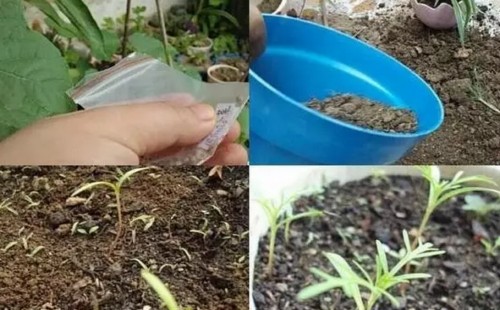
Cosmos likes a growing environment with plenty of light, and it tolerates poor soil and drought, but it is not cold-tolerant, fears high temperatures, does not tolerate heavy fertilizer, and fears waterlogging. So as long as we care for and manage it according to these growth habits, it is very easy to grow it into a lovely sight. Below, the editor will share with you the cultivation methods for cosmos.
1. Potting soil
Although cosmos has the characteristic of tolerating poor soil, it also likes a soft soil environment, especially requiring the potting soil to have good permeability, because cosmos prefers soil with good drainage. Moreover, cosmos is relatively afraid of waterlogging, so the potting soil should have excellent drainage, so that even if it is sometimes watered excessively, excess water can easily drain out of the pot. Therefore, the potting soil should preferably be acidic sandy loam with good drainage.
2. Light
Cosmos is a light-loving plant. During the growing period, it needs sufficient light to promote photosynthesis, especially during the flowering period. The more sufficient the light, the more brilliantly it blooms. But when grown as a potted plant, it should be properly shaded under strong summer sunlight, and it should not be placed under the scorching sun for exposure, otherwise the plant is easily sunburned. In other seasons, it should be provided with sufficient light. If the light is insufficient, its branches and leaves are prone to leggy growth, and overly long and thin stems and branches may fall over because they cannot bear their own weight.
3. Temperature
Cosmos is not tolerant of high temperatures, nor is it cold-tolerant, so temperature should be reasonably regulated in summer and winter. Usually, the growing environment temperature during the day should be kept at 20-30°C, while the nighttime temperature should not be lower than 10°C. During the growing period, it is more suitable to keep the temperature between 8-24°C. When the summer temperature exceeds 33°C, the plant stops growing and enters a dormant period; and when the temperature drops below 10°C, the plant is prone to decline and death.
4. Watering
Cosmos is not tolerant of water and fears water accumulation in the pot, so watering should be moderate, otherwise it will affect the plant's growth and flowering. In spring and autumn, watering once every 4-5 days can be maintained; in summer, generally water once every 3-4 days, and more spraying can also be done to lower the temperature and maintain humidity; in winter, as the temperature drops, watering especially needs to be controlled, and it is advisable to keep the potting soil slightly dry. But specifically when to water and how to water depends to a large extent on the dryness and moisture level of the potting soil.
5. Fertilizing
Cosmos does not have a large demand for nutrients, so there is no need to deliberately apply large amounts of additional fertilizer. Even if appropriate additional fertilizer can be applied during the peak growing season, it should not be too much, and the concentration should be low, following the principle of "light fertilizer, applied sparingly." As long as sufficient base fertilizer is applied when potting and transplanting the seedlings, generally no later fertilizing is needed, since cosmos does not like heavy water or heavy fertilizer. Therefore, additional fertilizing for potted cosmos should be strictly controlled.
6. Pinching
In order to encourage potted cosmos to sprout more side branches to make the plant shape fuller and promote flowering, the plant needs to be pinched during the growing period. The first pinching mainly removes the central top stems and branches, and later multiple pinching treatments are needed according to the plant's shape.
7. Pests and diseases
The main pests of cosmos are aphids and red spider mites, and timely prevention and control are all that is needed. To avoid lodging disease, generally it is enough to strictly control water and fertilizer; and generally keeping the plant well ventilated and exposed to light, and avoiding a hot, humid growing environment, can effectively prevent pest and disease problems.