How to grow potted impatiens? Cultivation methods and precautions
Although impatiens has tenacious vitality and relatively strong adaptability to the environment, when grown as a potted plant, the care and management process must not be careless or arbitrary. This is because only by applying scientific and reasonable care and management methods can the potted plant be ensured to bloom on schedule while having high ornamental value, so how do you grow potted impatiens?
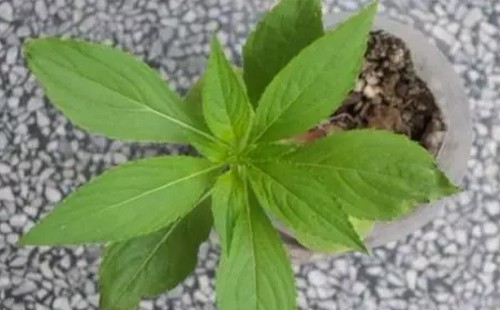
Impatiens is mostly propagated by sowing to raise potted seedlings, but the sowing time must be chosen well, and it is most suitable to do so from March to May. If all goes well, seedlings can emerge in a little over 1 week. The time for potting up must also be grasped well; usually, after a little more than 1 week from seedling emergence and once 3-4 true leaves have grown, they can be potted up. After potting up, the potted plants should be placed in a cool, ventilated place for management to ensure smooth seedling recovery. In addition, after the plants have settled in, routine care and management work should also be done well.
1. Soil
Impatiens likes a fertile and loose potting soil environment, but it must also have good air permeability and drainage, with sandy loam being preferable. Usually, it is advisable to keep the potting soil moist, and the soil also needs to have a certain ability to retain water and fertilizer.
2. Light
Impatiens relatively likes light, and usually it should be provided with sufficient light as much as possible, with no less than 4 hours of light exposure per day. When summer temperatures are high, shade measures should be taken in time to prevent the plant from being sunburned; in winter, the potted plant should be placed in the sunlight at noon on sunny days in time so it can fully receive light, to promote normal photosynthesis.
3. Temperature
The optimal growth temperature for impatiens is around 25°C, and generally 16-26°C is quite suitable, while the temperature during the flowering period should be kept above 10°C. During the high-temperature period in summer, shade and spray water to cool it down; in winter, to prevent the plant from being frostbitten, the potted plant should be moved indoors in time when the temperature drops.
4. Watering
Impatiens relatively prefers a moist growing environment, but because there are many stomata on its leaves and water evaporation is large, watering should be timely to avoid long-term water shortage. Watering should also follow the principle of “water when dry, stop when wet,” but water accumulation in the pot or long-term excessive moisture should be avoided. Water shortage must not occur during the flowering period, otherwise bud drop and bud shedding, or even premature withering, are likely to occur.
5. Fertilizing
Impatiens relatively likes fertilizer, especially during the growing period and flowering period. During the growing period, it is generally necessary to keep applying 1-2 times per month of dilute liquid fertilizer. During the bud stage, it is generally necessary to spray 1-2 times with low-concentration monopotassium phosphate, which can promote lush flowers and leaves in the potted plant, brightly colored flowers, and longer-lasting blooming.