How to Grow Snapdragons So They Bloom? A Full Guide to Care Essentials
Snapdragon seeds can produce an oil similar to olive oil, and snapdragons have rather exotic flower shapes, very rich colors, and a fairly long blooming period, mostly flowering in spring and autumn, so they also have extremely high ornamental value, especially when grown as potted plants, where the ornamental effect is even better.
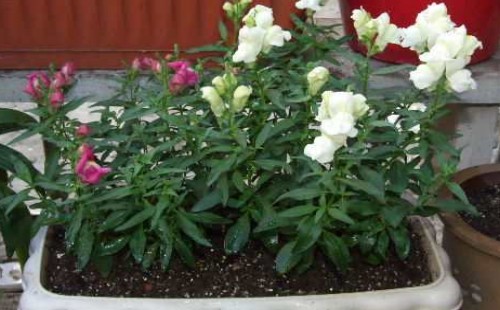
To encourage potted snapdragons to bloom normally as expected, proper daily care and management methods are indispensable. If care and management are improper, it is entirely possible to cause snapdragons not to bloom. To ensure snapdragons bloom as expected, how should snapdragons be grown? Below, the editor will share the care methods with everyone.
1. Soil
Snapdragons relatively prefer a somewhat dry soil environment and require fertile, loose sandy loam with good aeration and drainage. Although they relatively prefer a slightly acidic soil environment, they can also tolerate weakly alkaline soil. It can be seen that snapdragons are not strict about potting soil requirements; it is enough to ensure good permeability.
2. Light
Snapdragons relatively like light. If there is sufficient light during the growing period, the original plants will grow very robust and neat, so they will also bloom very uniformly and the flower colors will be more vivid. Therefore, in daily care and management, light management must be done well; as long as they are not exposed to scorching sun, sufficient light can be provided.
3. Watering
Snapdragons need timely watering shortly after being potted and planted. Although their waterlogging tolerance is poor, they must not be allowed to go without water frequently. At the same time, watering must also be controlled, especially avoiding water accumulation in the pot, otherwise it is easy to cause root suffocation and root rot, and the stems and leaves of the plant will also wither and turn yellow.
4. Fertilizing
Topdressing for snapdragons is generally carried out during the growing period, and topdressing once every 10 days can be maintained, with a compound fertilizer mainly containing nitrogen and potassium being more suitable. Snapdragons relatively like fertilizer. Before potting and planting, sufficient base fertilizer can be applied at the bottom of the pot. After planting and survival, pay attention to the proportions of nitrogen, phosphorus, and potassium fertilizers, otherwise it may cause excessive vegetative growth and thereby inhibit flowering. When buds appear, some diluted potassium dihydrogen phosphate solution can be sprayed to enhance flower color.
5. Pruning
If snapdragons show withered and yellow stems and leaves during growth, they should be cleaned up promptly to avoid wasting nutrients in vain. Also, after flowering, the parts above the soil surface need to be cut off, then water thoroughly once, and after about 1 week new branches and leaves can sprout again. Then maintain topdressing with dilute liquid fertilizer once every 10 days until buds appear again.