Causes and solutions for yellowing leaves in potted freesia
Potted freesia has extremely high ornamental value, especially when multiple plants of different varieties are planted together in one pot. After all, there are quite a few freesia varieties, and different varieties tend to produce flowers of different colors. If multiple varieties are planted together in one pot, the blooming period is bound to bring plenty of surprises.
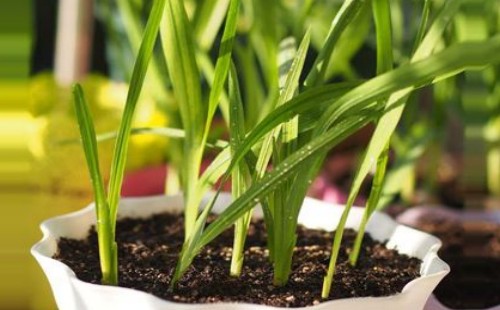
But freesia has relatively high temperature requirements for its growing environment, preferring to grow at 15°C-20°C, and it is neither heat-tolerant nor cold-tolerant. When the temperature in the growing environment exceeds 20°C, the plant may enter a dormant state, and when the temperature drops to 5°C, it may suffer frost damage. Perhaps this is one of the reasons quite a few growers do not choose this plant as a household potted flower.
It is clear that potted freesia is a rather delicate flowering plant that needs careful tending before it will bloom on schedule. Moreover, after the flowers fade and summer arrives, the plant will show signs of withering and yellowing. However, sometimes even before the post-bloom summer arrives, the plant's leaves can still turn yellow. So what should be done about yellowing leaves in potted freesia?
1. Sunburn yellowing and yellowing from lack of light
Freesia prefers light, but after all it is a plant suited to short-day conditions. If the light is too strong or lasts too long, its leaves can easily be scorched and turn withered and yellow. Therefore, while providing light, the intensity and duration of exposure must also be controlled. Once sunburn yellowing occurs, shading measures should be taken promptly.
Unlike drought yellowing, this is a phenomenon in which the plant's leaves turn yellow due to lack of light, so the pot generally needs to be placed somewhere that easily receives light, and the plant should be given plenty of sun normally, but care must be taken to control light intensity and exposure time, otherwise sunburn yellowing may occur again.
2. Drought yellowing and yellowing from lack of water
If the humidity in the freesia's growing environment is too low, especially if the pot remains short of water for a long time, then its leaf edges are prone to drying out, and the old leaves turn yellow and drop. This is a drought yellowing phenomenon caused by lack of water, so we should normally strengthen water management, generally watering thoroughly, keeping the potting soil moist regularly, and especially when temperatures are high, spraying more water to raise air humidity.
But if we water too frequently and give too much water, it often causes the pot to stay overly wet or waterlogged for a long time, which also easily makes the plant's leaves show water yellowing. This mainly starts with the leaf tips turning withered and yellow, and the newly emerged tender leaves also look dull yellow and lack luster, and even the branches may take on a yellow-green color. So once this condition is found, drainage measures should be taken promptly, the environment's ventilation improved, and water evaporation accelerated.
3. Fertilizer yellowing and yellowing from lack of fertilizer
Fertilizer yellowing in freesia is mainly caused by too much fertilizer or too high a concentration during care and management, which not only causes the leaves to turn yellow but also makes the old leaves drop. This is a sign of fertilizer damage. Once it occurs, water thoroughly promptly to dilute and wash out the fertility in the potting soil, thereby reducing the fertilizer effect. However, if the fertilizer damage is severe, the soil should be replaced and the plant repotted promptly.
The opposite of this is naturally yellowing from lack of fertilizer, because freesia prefers a fertile soil environment, and especially during the blooming period it consumes quite a lot of nutrients, so after blooming, spent flowers should be removed promptly and flower stems cut off to save nutrients, and topdressing should also be done well to replenish nutrients. Of course, when potting, some base fertilizer generally also needs to be applied in the pot, so as to ensure the plant maintains normal growth and does not develop yellowing leaves from lack of fertilizer. However, once yellowing from lack of fertilizer occurs, we should promptly and scientifically apply topdressing.