Why Are Geranium Leaves Turning Yellow? Causes and Solutions
Geraniums bloom beautifully and have fairly high ornamental value, so many people like to grow them as potted plants on their balconies, bringing a distinctive charm to the balcony. Especially in some places abroad, people like to use them to decorate roads and embellish daily life. However, if we want to grow potted geraniums well, we also need to master a certain amount of care and management knowledge. Otherwise, not only will they fail to show their beauty, but they will also develop growth problems, and yellowing leaves are one of the more common symptoms.
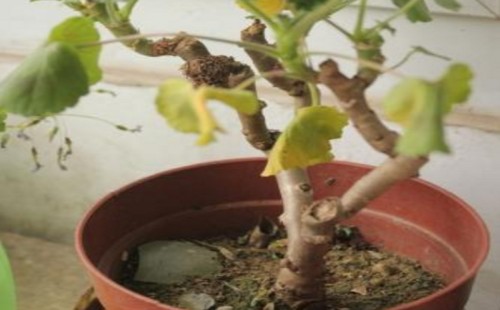
Many people encounter yellowing leaves while growing geraniums, which not only affects the ornamental effect but also harms the normal growth of the plant. So, why do geranium leaves turn yellow? If they are newly emerging young leaves, their color is often rather dull and looks somewhat yellowish, but this is generally a normal phenomenon. Of course, you may also encounter yellowing and leaf drop in geraniums under normal care, which can also be a manifestation of metabolism and is still a normal phenomenon.
However, sometimes it is also because the care methods we use during maintenance and management are incorrect or the management is unscientific, which can likewise cause geranium leaves to turn yellow. This is mainly shown in the following aspects:
1. Excessive temperature
Excessively high temperatures and overly hot weather are often one of the important causes of yellow leaves in potted flowering plants, and this is especially prominent in summer. The same is true for geraniums; this phenomenon usually occurs in hot, high-temperature summer weather. It is mainly because the muggy weather hinders the normal growth activity of the plant's root system and affects the root system's ability to absorb nutrients, thereby causing yellow leaves. When the condition is severe, it may also cause leaf drop, scorched leaves, and wilting.
If we want to solve this problem, we should first take shading and cooling measures for it, while also spraying some water on the leaves and improving ventilation. Of course, you can also give a small amount of iron once a week, and it will generally recover to a normal growth state in about half a month.
2. Improper watering
Many flowering plants also develop yellowing leaves or leaf drop due to improper watering. If too little watering causes the potting soil to become too dry, it will cause geraniums to develop yellowing from lack of water, and in severe cases, withered branches and dead leaves; but if watered too much, it will inevitably cause water accumulation in the pot, leaving the potting soil constantly too moist, and then the geranium leaves will develop yellowing from excess water, especially the young leaves, and in severe cases may cause root rot and death.
Therefore, we should usually water scientifically and reasonably, neither going without watering for a long time nor watering excessively. If you water too little, you can replenish water in time, but watering too much is more troublesome. In addition to draining immediately, you should also loosen the potting soil and improve ventilation to speed up water evaporation. In severe cases, it is recommended to repot and replace the soil.
3. Sudden environmental changes
Many flowering plants have adapted to the growing environment of their current position, and once they are moved around frequently, it may cause unstable growth, often showing yellowing leaves and leaf drop. But sometimes excessive temperature changes can also cause this phenomenon, and may even affect normal flowering.
Therefore, unless there are special circumstances, generally do not move potted plants around frequently. Especially when the temperature environment changes too much, when the plant shows yellowing leaves and leaf drop, we should promptly prune the withered branches and dead leaves, and then adopt scientific and reasonable care measures. I believe the plant will soon recover to a normal growth state.
4. Infection by pests and diseases
For many potted flowering plants, infection by diseases is quite harmful, sometimes even fatal. When potted geraniums are attacked by harmful fungi and pathogens, it is easy to trigger various diseases such as leaf spot and gray mold, resulting in diseased spots that affect leaf color. Visually, the leaves appear yellow. Of course, when they are gnawed by insect pests, this phenomenon often also occurs.
When geraniums suffer from this situation, we should promptly take countermeasures. If the pests and diseases are not serious, they can be improved through manual pest collection and reasonable care measures; but if the pests and diseases are relatively serious, we usually need to use pesticides for control.