How to grow potted Peperomia obtusifolia so it grows fastest? Care methods shared
Everyone already knows that potted Peperomia obtusifolia has extremely high ornamental value. So how do you grow potted Peperomia obtusifolia so it grows fastest? It mainly depends on proper care and management. As long as the methods are scientific and reasonable, it will grow quickly, and this is mainly determined by its care environment. The main things are that the soil environment and light and temperature management must be suitable, and water and fertilizer also need to keep up.
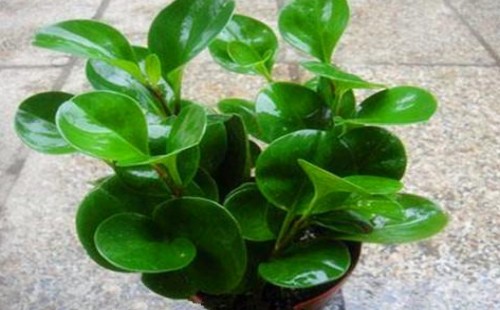
As long as all the above conditions can be met, the plant will grow rampantly. However, such rampant growth is no different from leggy growth, often showing an overly tall plant shape, which greatly affects its ornamental value. So we also need to control growth through means such as pinching and pruning branches and leaves, and through dwarfing treatment, encourage the plant to sprout more side branches, making the plant shape fuller and rounder, so that higher ornamental value can be maintained.
1. Soil
According to the plant's growth characteristics, the potting soil should preferably be a loose, breathable, well-drained sandy loam. Never use soil that is too sticky as a growing medium, because Peperomia obtusifolia grows relatively slowly in clay. Therefore, the preparation of the growing medium is very important, usually using a mix of leaf mold, garden soil, river sand and a small amount of decomposed organic fertilizer.
2. Light
Light is an essential condition for almost all plants to maintain growth. Although Peperomia obtusifolia is relatively shade-tolerant, it should not be kept in a shaded environment for a long time. Otherwise, the plant will be unable to carry out photosynthesis and metabolism, resulting in some branches growing leggy, which will seriously affect the plant shape of the potted plant and reduce its ornamental value. Therefore, it needs to be given appropriate light, but generally direct sunlight should be avoided, and receiving some scattered light is enough.
3. Temperature
The suitable temperature for the growth of Peperomia obtusifolia is between 20-30°C, so potted Peperomia obtusifolia should usually be placed in an environment within this temperature range as much as possible. But when the summer temperature is too high, necessary cooling measures also need to be taken, usually by spraying more water to cool and moisturize. In winter, the ambient temperature should be kept above 10°C as much as possible to ensure safe overwintering. When the temperature drops to 5°C, frost damage often occurs, and even freezing to death.
4. Watering
Normally, just follow regular watering management. During the peak growth season and in summer, because water consumption is greater and evaporation is also relatively fast, watering needs to be increased. In winter, due to the lower temperature, the plant often enters a dormant period and needs less water, so watering must be strictly controlled to avoid frost damage to the plant or causing root rot. Of course, normally you should also avoid excessive watering, to prevent the potting soil from compacting and affecting water penetration, causing water accumulation in the pot and root rot.
5. Humidity
Humidity is also relatively important for potted Peperomia obtusifolia. Relatively speaking, the higher the humidity, the more luxuriant the plant tends to grow, and the leaf color is also very bright and emerald green, making the potted plant more ornamental. Especially in the hot summer, more water should be sprayed to maintain humidity, promote plant growth and keep the branches and leaves beautiful. Usually, it is recommended to keep the ambient humidity at around 70%.
6. Fertilizing
Potted Peperomia obtusifolia likes a fertile soil environment, but that does not mean its fertilizer requirement is large. For topdressing Peperomia obtusifolia, the principle of "light fertilizer, apply little; concentrated fertilizer, do not apply" should be adopted, and when the temperature is higher than 18°C, fertilizer intake should be even less, or fertilizing should even be stopped. In winter, not only should watering be strictly controlled, but fertilizing should also be stopped. At the same time, throughout the entire cultivation process, even when fertilizing, raw fertilizer must not be applied.