What to do when your Clivia is half-dead? A few rescue methods to teach you
Clivia (Clivia miniata) is a flowering plant with extremely high ornamental value. Even when it is not blooming, its leaves stay emerald green and glossy, so it can be enjoyed as a foliage plant; and once it blooms, the flowers are extremely gorgeous, making it excellent as a flowering plant too.
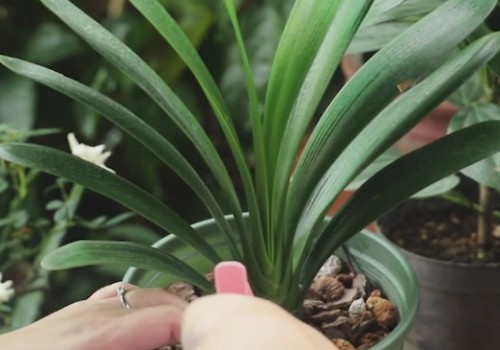
It is now autumn, which is also the period of rapid growth for Clivia. Only if it grows vigorously now can it produce beautiful flowers in winter. But if your potted Clivia looks half-dead, with yellowing leaves, stalled growth and similar problems, what should you do?
1. Root rot: deal with it promptly
As the saying goes, growing flowers is all about growing roots. In the process of growing Clivia, we must first get its root system healthy, otherwise the plant will easily develop yellow leaves. Because overwatering can cause root rot, you need to repot it promptly. Take the Clivia out of its original pot, shake off the excess soil, then cut off the rotten roots. Then use a potassium permanganate solution to sterilise and disinfect them, and place it in a ventilated spot to dry. Finally, prepare well-aerated soil and repot it.
2. Insufficient nutrition: replenish nutrients
When Clivia lacks nutrients for a long time, it will develop yellow leaves due to malnutrition, mainly because fertiliser was not applied in time. You can let leftover beer sit overnight so the carbonic acid and alcohol fully evaporate, then dilute it with water at a ratio of 1:50, and pour it into the potting soil.
In fact, as long as we master scientific care and management methods, Clivia will not develop growth problems. Its leaves will also grow more emerald green and thicker, and it will even produce new shoots and send up beautiful flowers! It is clear that care and management work is crucial for potted Clivia to grow leaves and bloom.