How to prevent root rot and yellow leaves in clivia
These days many people like to keep a few potted plants and greenery at home, mainly to add a touch of green and vitality to their living space. The evergreen clivia (Clivia miniata) is one of the most popular plants, but many people find clivia hard to grow, with either rotting or yellowing leaves, and beginners often do not know what to do. If your clivia is also a struggle to grow, it is worth mastering the following 3 tricks, which often help you grow a clivia with vigorous plants and green leaves.
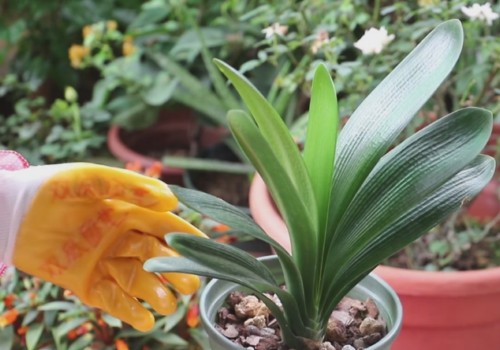
1. Choose a good spot for placement
Clivia likes a semi-shaded growing environment with good ventilation. If you keep it indoors, it is best to place it near a windowsill; if you keep it on a balcony, choose a relatively shaded spot. In short, the placement must be chosen well, and suitable for its growth.
2. Water with restraint
Watering clivia requires a scientific approach; do not blindly pour heavy water, otherwise it easily leads to root rot and yellowing leaves. In fact, clivia is a fairly drought-tolerant flowering plant and usually does not need much water; generally you can wait until the potting soil dries out before watering.
3. Repot at the right time
Why should clivia be repotted? There are mainly two reasons: first, because after a flowerpot has been used for a long time, much of the sticky, heavy mud makes the drainage hole smaller and narrower, and it may even become clogged. This easily causes a large amount of water to remain in the pot, and the potting soil becomes too wet, which easily causes root rot. Second, because after potting soil has been used for a long time, it tends to become compacted, alkalized, and lower in fertility, so clivia should be repotted frequently, at least once a year. When the potting soil environment is improved and becomes better, the plant will naturally grow more vigorously.