How to Care for a Bare-Stem Rose After It Sprouts
Many gardening friends are drawn to roses for their vibrant, large blooms, so they try growing a few in pots at home. But for beginners, it is common to encounter the phenomenon of all the leaves dropping off during pot cultivation, leaving only bare stems. In such a case, if the plant's stems and root system are still sound, we can cut off part of the stems and repot the plant. With luck, this often brings it back to life. So, how do you care for a bare-stem rose after it sprouts?
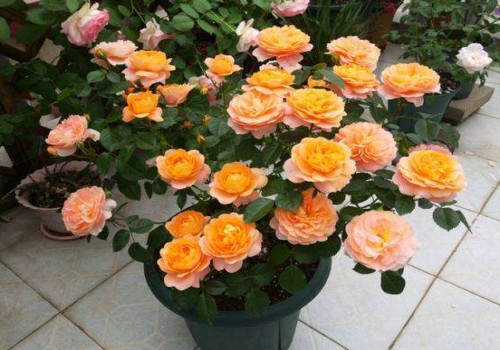
For a bare-stem rose, the branches generally need to be cut back short to reduce the consumption of nutrients and water, and this also helps lighten the burden on the roots. So cutting off part of the stems makes it easier to root and sprout, and the plant is more likely to survive than if the stems were not cut back. In the early stage after repotting, the pot usually needs to be placed in a cool, ventilated spot to adjust, with misting to keep it moist during this period. Only after the plant has sprouted normally at about 1 month can we resume normal care and management.
First, we need to provide light in time, because the plant needs to carry out photosynthesis to promote growth. But at the same time, we also need to control the light intensity and duration, because the new shoots that roses put out are very tender, and too strong light can easily scorch and wither them. So controlling light is important: it must meet the rose's need for light while not letting it get sunburned. Generally, it is necessary to avoid the period of strongest light on sunny days.
Next is watering management. Since roses are in the sprouting and growing stage, especially during the vigorous growth period, maintaining strong growth often consumes a fair amount of water. Especially when the temperature is relatively high, in addition to watering scientifically and promptly, it is also necessary to mist appropriately to maintain the needed air humidity. And if there is a lack of water during the sprouting period, it is also fairly easy to cause the new shoots to wither.
The next is fertilizing, which, like watering, also needs to be timely and scientific. After all, roses need a continuous supply of nutrients during the growing season to maintain their growth. Topdressing provides good conditions for promoting their rapid growth. Since the base fertilizer applied at potting is limited, during the growing season, especially the vigorous growth period, sufficient fertilizer must be applied. Roses also fairly like fertilizer, and especially when abundant blooming is required, nitrogen, phosphorus and potassium fertilizers often need to be applied in advance to store up sufficient nutrients for later growth and flowering.
Of course, besides doing the above aspects of care and management well, we also need to ensure smooth ventilation in the environment and regularly turn out the pot or change the pot and soil, always creating a good environment suitable for the plant's growth. Only in this way can we ensure that the potted rose, after coming back from the brink and turning green again, can grow lush branches and leaves with large, brightly colored flowers, and the ornamental value of the potted plant will also be higher.