How to grow potted orchids? A full analysis of cultivation methods and techniques
Although orchids bloom in a delicate and elegant way, they can give off a pleasant fragrance, and with their deep green leaves they have high ornamental value, so they are deeply loved by people. But for beginners, growing orchids often becomes difficult. Today the editor will share with you some tips for growing orchids, namely the cultivation methods and techniques for potted orchids.
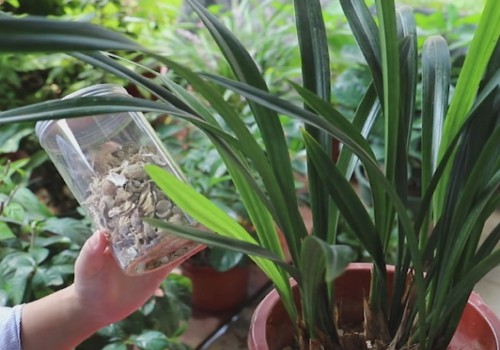
If we want to grow orchids well, we first need to understand their growth habits and then create a comfortable growing environment for them. Orchids like a moist growing environment, are not tolerant of direct strong light, and are relatively suited to growing in an environment with good air and water permeability. So when mixing soil, we can add some peanut shells to it and mix them with leaf mold, garden soil and sand in a 2:2:1:1 ratio, then use it after full fermentation and thorough mixing.
The potting soil prepared this way is both air-permeable and water-permeable, and the peanut shells can also provide rich nutrients for the plant. At the same time, we can also add some worm castings to the potting soil, because worm castings are a natural organic fertilizer rich in nutrients such as nitrogen, phosphorus, potassium and calcium. Mixing them into the potting soil can do a good job of promoting orchid flowering.
Scientific watering is another important part of growing orchids well. In general, stick to the watering principle of "water when dry, stop when wet," ensuring the potting soil stays slightly moist. Be sure to avoid water accumulation caused by watering too much, otherwise it can easily cause root suffocation, and the direct result is root rot in the plant, which then affects its normal growth. Of course, if the plant grows poorly, it will also lack the strength to bloom.
In addition, regular repotting and soil changing is also an important management method for promoting orchid growth. It is generally recommended to repot and change the soil once a year. We can use fertile, loose leaf mold that we mix ourselves. But the repotting process generally also needs to be combined with pruning, mainly to cut off rotten roots, hollow roots, and old, weak, thin roots, so as to stimulate the plant to sprout new roots with stronger absorption capacity.
In the hot summer, because of the high temperature, hot weather and strong light, potted orchids are relatively prone to dehydration and the phenomenon of yellow, withered leaf tips. At this time we should move the orchids indoors to a cool, ventilated place for care, or place them on a balcony where shade is easy to provide. At the same time, spray the plant with water once a day, which can effectively avoid or reduce the phenomenon of yellowing and withering at the tips of orchid leaves.