How to grow asparagus fern? Keep these care tips in mind
The asparagus fern has slender, emerald-green branches and leaves, elegant and beautiful, with a very distinct layered look. Grown as a potted plant in the home, it can have a great decorative effect on the environment. But if we want to grow potted asparagus fern well, care and management methods are indispensable. So, how do you care for asparagus fern? Today the editor will share with you the key points for caring for asparagus fern.
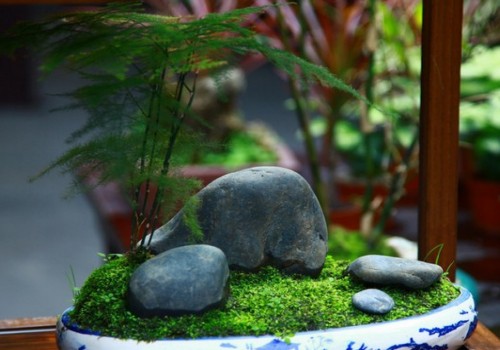
Potted asparagus fern requires fertile, loose potting soil rich in humus with strong air and water permeability. A mixed substrate of leaf mold, peat soil and perlite is recommended, used in a 3:1:1 ratio, mixed thoroughly before use. Of course, you can add some base fertilizer to the bottom of the pot to increase the fertility of the potting soil, so the asparagus fern will grow better.
But as for watering the asparagus fern, we can observe the color change of the potting soil to decide. Generally, once the potting soil turns white, it can be watered appropriately. Or you can directly dig about 2-3 cm into the surface of the potting soil, then observe and feel the moisture of the potting soil with your hand, and then water as appropriate. Generally, you need to wait until the potting soil is dry before watering.
In spring and autumn, since the temperature is relatively warm and not too cold, and not too hot either, water about once every 4 days; in winter, water about once every 2 weeks; but in summer, because the weather is hot and water evaporates quickly, you can generally water once every 2 days. At the same time, it is recommended to use a spray bottle to mist the asparagus fern frequently to keep it moist and cool.
However, during the spring and autumn growing seasons, we can generally use dilute fertilizer water instead of plain water. This not only gives the asparagus fern plenty of water but also provides the nutrients it needs for growth, especially since the content and proportion of nitrogen should be appropriately increased. Because the asparagus fern is a foliage plant, its demand for nitrogen is relatively high.
Alternatively, we can also use willow branch water or fermented soybean water to irrigate the asparagus fern, which can likewise achieve the purpose of supplying both water and fertilizer. This can make the potted asparagus fern grow more vigorously, with greener leaves, a more distinct layered look and higher ornamental value.
And although the asparagus fern is fairly shade-tolerant, it cannot tolerate the strong sunlight of summer. In spring, autumn and winter, it is best to place it near a windowsill where it can receive light, while also ensuring smooth ventilation in the environment, which is very beneficial to the growth of the asparagus fern. In summer, however, shade should usually be provided in time to avoid the plant being scorched by direct sunlight.
In addition, the cold tolerance of the asparagus fern is relatively poor. Before the temperature drops in winter, measures to keep it warm and protect it from the cold should be taken in time, otherwise it will be difficult for the plant to overwinter safely and smoothly. In winter, it generally needs to be moved promptly to a warm place indoors for care, and when the weather clears, it should be given more light to increase photosynthesis and speed up its growth.