Detailed Guide to Autumn Care Methods for Potted Cyclamen
Cyclamen is a plant with very beautiful flowers, but cyclamen generally begins to bloom in winter, lasting from December of the previous year to March of the following year. After entering summer, as temperatures continue to rise, most of the plant's leaves quickly wither after it finishes blooming.
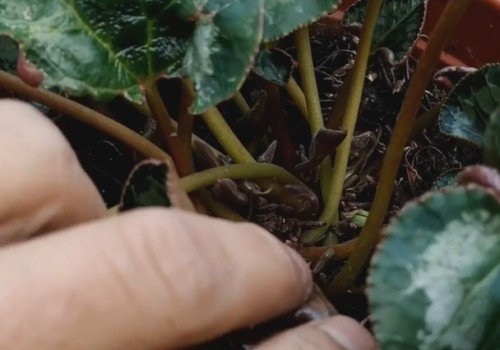
In this case, we need to promptly place the potted plant in a cool, well-ventilated spot for care. If shading and cooling measures are handled properly, its leaves will not wither so quickly, or at least will not all wither and drop off. Although yellowing and leaf drop still occur, we simply need to let it sit quietly in the yard.
Until autumn arrives, the cyclamen leaves that should turn yellow have turned yellow, and those that should drop have dropped. Then, as the weather gradually turns cooler and temperatures gradually drop, the cyclamen also begins to gradually resume growth. At this point, we should promptly apply fertilizer to replenish the nutrients needed for resuming growth. So, how should cyclamen be cared for in autumn?
Normally, we generally sprinkle a little Osmocote 1 slow-release fertilizer on the surface of the potting soil to provide balanced nutrient supplementation. And only after the potting soil has completely dried out do we water it thoroughly. Even if it rains, we do not need to shelter it from the rain, as long as no water accumulates in the pot and excess rainwater can drain out promptly.
I believe that after some time, we will see the cyclamen grow quite a few new leaves in the pot. At this point, we would normally repot it to replenish some new nutrients from the soil. But if many new leaves have grown, there is no need to repot it; if few new leaves have grown and the plant is slow to grow, then it is recommended to repot it in autumn.
When cyclamen grows quite a few leaves in autumn, repotting is generally not recommended, because repotting will inevitably cause more or less damage to its root system, so in this case we generally only need to manage water and fertilizer well. Of course, the growing environment must ensure smooth ventilation, and provide short-day light conditions when appropriate. In autumn, it is best to let it continue to stay in the yard.