Reasons Why Peace Lilies Only Grow Leaves and Do Not Bloom, and How to Fix It
The peace lily (Spathiphyllum) is also known as "smooth sailing," and because its symbolism is fairly auspicious and lovely, the plant is relatively easy to care for, and it has high ornamental value, it is deeply loved by the public. But if we care for it improperly, it may cause the plant to only grow leaves and not bloom.
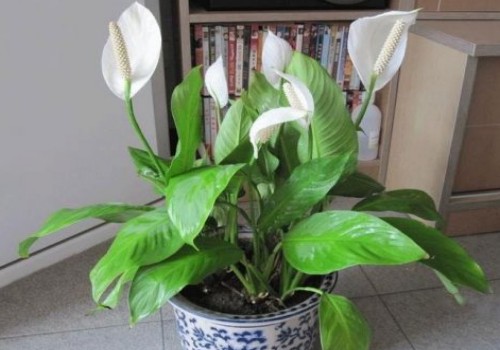
Although the peace lily is fairly suited to foliage appreciation and is usually kept at home as a foliage potted plant, if it can be made to bloom, it often adds the perfect finishing touch. So what should be done when a peace lily only grows leaves and does not bloom? Today, the editor will share with you how to handle this situation.
When a peace lily only grows leaves and does not bloom, there are usually five factors involved. Let's take a look at these causes and how to handle them below!
1. Insufficient Light - Increase Light
Although the peace lily is fairly shade-tolerant, if we keep it for a long time in an indoor environment with insufficient light, the plant will develop leggy stems and leaves because it cannot carry out normal photosynthesis. So we only need to place it in a ventilated, sunny spot so it can fully receive scattered light.
2. Excess Nutrients - Control Fertilization
The peace lily likes fertilizer; after all, its leaves are large and it can also bloom, so it consumes quite a lot of nutrients. Therefore, many gardeners apply heavy topdressing during the growing season. In fact, this not only easily causes fertilizer burn, but may also lead to excess nutrients and waste. As a result, the plant instead only grows branches and leaves and does not bloom because the nutrients are too abundant.
So we must supply nutrients to the peace lily according to scientific fertilization methods. If there are too many nutrients, water thoroughly to dilute them or flush them out of the pot; if necessary, you can also repot and change the soil. But if no fertilizer is applied for a long time and nutrients are insufficient, it can also easily cause the plant not to bloom, so we only need to apply appropriate topdressing.
If topdressing, it is recommended to apply a granular compound fertilizer once a month or water on an organic liquid fertilizer once a month during the growing season from May to September each year, which is enough to achieve the purpose of topdressing and supplementing nutrients. In this way, the plant will not only grow leaves but also bloom smoothly.
3. Overly Lush - Repot and Trim Leaves
The peace lily is a plant that likes warmth and humidity, and during the growing season, especially in summer, it tends to grow fairly quickly. Generally after 1-2 years, the plant easily becomes pot-bound, and the leaves grow very lushly, even crowded. This will inevitably consume a large amount of nutrients and cause competition for nutrients; when nutrients are insufficient, it often only grows leaves and does not bloom.
So in this case, we can solve it by repotting and changing the soil. But if we do not want to repot, then we need to promptly prune away some old, weak, diseased and pest-damaged stems and leaves to reduce nutrient consumption and accumulate enough energy and nutrients for blooming.
4. Humidity Too Low - Mist to Maintain Moisture
The peace lily has relatively high humidity requirements for its growing environment, especially during the growing season. If the humidity is too low and the environment is too dry, it will not only easily cause the plant's stems and leaves to turn yellow and wither, but also inhibit the plant's blooming.
So, in addition to watering promptly to maintain the moisture of the potting soil, when the air is dry you should also spray the leaf surfaces more and mist around the plant to raise the air humidity and make the environment more suitable for the plant's growth. Only then can it bloom smoothly.
5. Unsuitable Potting Soil - Improve the Soil
The last thing we want to mention is the potting soil problem. If the potting soil is unsuitable, it will not only affect the plant's normal growth but also prevent the plant from blooming smoothly. If the potting soil is too heavy and sticky and has poor permeability, then when too much water is given, it will inhibit root respiration and growth, and it also easily causes root rot, so the plant cannot grow and bloom normally.
For this situation, according to the growth habits of the peace lily, we must prepare for it an acidic potting soil that is loose, breathable and highly permeable. At the same time, watering and fertilizing should always be moderate, not excessive and certainly not in excess, otherwise it easily damages the plant's root system.