What to Do When a Radermachera sinica Drops Its Leaves? A Full Guide to Prevention Methods
In today's era of trendy potted greenery, the Radermachera sinica (China doll tree) is undoubtedly a very popular plant. The Radermachera sinica is not only beautiful in appearance, but also has a very strong ability to purify indoor air. Although keeping a potted Radermachera sinica at home has many benefits, if it is not cared for properly, it will constantly drop its leaves.
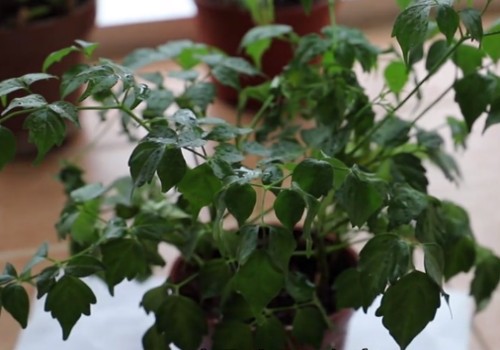
When the Radermachera sinica is well cared for, both its ornamental effect and practical value are very outstanding, but once it starts dropping leaves, its value is bound to be greatly reduced. So how can we prevent the Radermachera sinica from dropping its leaves? Below, the editor will discuss this with everyone.
1. The potting soil must be acidic
The Radermachera sinica is an acid-loving plant, so when mixing the soil, in addition to considering factors such as looseness, breathability and strong water permeability, the potting soil also needs to be acidic. Generally, we can add a little ferrous sulfate to the potting soil, which will make the potting soil acidic and more suitable for the growth of the Radermachera sinica. If the potting soil is unsuitable, it can also quite easily cause the Radermachera sinica to drop its leaves.
2. Do not water too much
The Radermachera sinica likes a moist growing environment, so watering generally follows the principle of “water when dry, stop when wet”; especially in hot weather, water evaporates quickly, so watering should be done more promptly, otherwise it may cause leaf drop. But watering even less should not be excessive, because if there is too much, it easily causes water to accumulate in the pot. The Radermachera sinica fears waterlogging, and after water accumulates it easily suffers root rot, so leaf drop also occurs.
Moreover, after the temperature drops, watering should be appropriately controlled to avoid the potting soil becoming too wet, otherwise it will likewise lead to water accumulation and root rot. If the root rot is mild, simply place the pot in a ventilated spot to speed up water evaporation. If the root rot is relatively severe, then promptly trim the roots and repot with fresh soil. But if there is a lack of water for a long time, the plant will also show dry, withered and falling branches and leaves.
3. The environment must be well ventilated
Many plant lovers like to place their potted Radermachera sinica indoors for care, but doing so absolutely requires ensuring the environment is well ventilated. Because if ventilation is poor for a long time, the plant will not only easily drop its leaves, but high temperature, high heat and high humidity also make it quite easy for pests and diseases to breed. Therefore, the ventilation conditions in the growing environment of the Radermachera sinica must be met.
4. Supplement nutrients in time
Nutrients are crucial for promoting the growth of the Radermachera sinica. To make it grow well and have high ornamental value, regular fertilizing is indispensable. If nutrients are lacking, the plant is quite prone to yellowing leaves, leaf drop and similar symptoms. Moreover, when different nutrient elements are lacking, the symptoms the plant shows also differ. Conversely, by observing the state of the leaves, we can generally also determine which element the plant lacks.
If the leaves of the Radermachera sinica turn yellow, it may be due to a lack of nitrogen fertilizer; if the leaf edges become dry and withered, it may be a lack of potassium fertilizer……And during the growing season, the plant is often more prone to various poor-growth symptoms caused by deficiencies. So during the growing season we should appropriately apply some compound fertilizer to the plant to supplement nutrients.
5. Suitable ambient temperature
Because the Radermachera sinica likes a warm growing environment and even has the trait of tolerating high temperatures, it is not cold-tolerant. When the winter temperature is too low, measures to keep it warm and protect it from the cold should be taken in time, otherwise when the plant is frozen it may likewise show heavy leaf drop. Generally, the ambient temperature is required to be no lower than 8°C, so that cold damage will not occur.