How to Grow a Peace Lily? Detailed Guide to Care Tips and Precautions
Peace lilies (Spathiphyllum) prefer a warm, humid, well-ventilated growing environment, so generally we can grow them well by following their growth habits. However, if our usual care methods are improper, it may cause the plant to show various signs of poor growth.
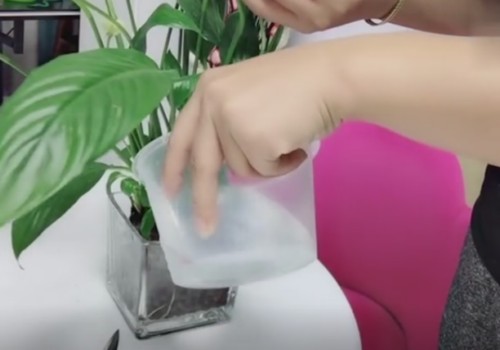
1. If the lighting is improper, peace lilies will show many abnormal symptoms, such as wilting, yellow leaves, and even death. Therefore, the lighting must be well controlled, and sometimes its intensity must be appropriate. Generally, place the potted plant in a sunny and ventilated spot where it can fully receive scattered light.
2. If fertilizing is improper, it will cause fertilizer burn. Moreover, the plant may grow too luxuriantly, which is unfavorable for both the plant's appearance and its growth. Therefore, fertilizer must not be applied in excess; follow "light fertilizer, frequent application" - it is better to apply less than too much.
3. If a peace lily is infected with pests or diseases, its leaves mostly show symptoms such as reduced glossiness and yellowing. In that case, we can spray some acaricide-type products for control.
4. If a peace lily grows too luxuriantly during its growth, timely pruning is usually also needed. But pruning generally starts by cutting down along the base of the plant, so that the plant's appearance is not affected.
If we want to reduce the plant's excessive consumption of nutrients, we can also remove the newly emerged tender buds.
5. The peace lily is a foliage plant that prefers acidic conditions. When watering normally, you can add a few drops of white vinegar to the water, which can improve the soil and increase the acidity of the potting soil, thus making the plant grow better.