How to grow potted sago palm so it thrives with lush foliage
The sago palm (Cycas revoluta) is a plant that loves light but is also fairly tolerant of partial shade, though its cold hardiness is relatively poor, so winter care requires timely cold-protection and warmth measures. Moreover, the sago palm likes a fertile, moist growing environment while also being fairly drought-tolerant. It tends to grow slowly, so flowering is very difficult; generally it needs to be grown for more than 10 years before it has a chance to bloom.
Although the sago palm grows slowly, it has a very long lifespan, and as a bonsai it has particularly high ornamental value. Especially each year when it pushes out a flush of new leaves from the top, it is even more charming. But the prerequisite is that it must be grown well, so how should a potted sago palm be cared for?
1. Light must be sufficient
Since the sago palm is a sun-loving plant, its usual placement should be in a spot that can receive ample light. Because if there is insufficient light, the plant often shows poor growth. But at the same time, avoid the scorching sun of summer, otherwise it can also get sunburned.
2. Repotting and soil changing must be timely
The sago palm likes a loose, breathable, slightly acidic potting soil environment, so we should mix the soil according to this standard. Not only that, regular soil changing is needed; the sago palm generally needs its potting soil changed once every 2 years. And once the plant grows larger, it is recommended to change the pot along with it. Note that when repotting, protect the roots and stems.
3. Humidity must be appropriate
For watering the sago palm, in summer generally water once every evening; in spring keep watering once every 3-5 days; in winter you can keep watering once every 5-10 days. But no matter which season you water in, do not overwater, to avoid root rot.
4. Prune yellow leaves in good time
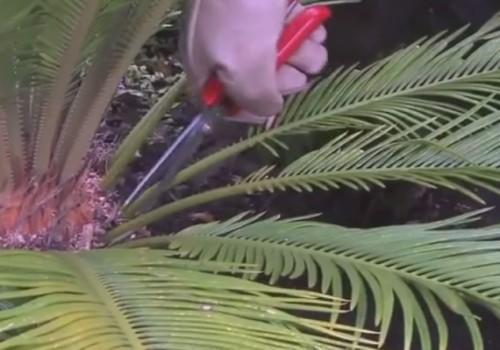
When the sago palm is hit by cold waves, lacks zinc, or gets sunburned, it tends to develop yellow leaves. Besides promptly adjusting our management methods, we also need to promptly prune away the yellow leaves that appear so they do not affect the sprouting and growth of new leaves. And as long as the roots and stems are still healthy, it does not matter even if all the leaves of the sago palm are cut off.