Winter Care Methods and Precautions for Roses
Perhaps in the eyes of many gardening friends, autumn is brief. Before we have even properly enjoyed the coolness that autumn brings, winter has already quietly arrived. For many gardening friends who love growing roses in pots, ensuring that their beloved roses make it through the winter safely is the big task at hand.
If you want potted flowers and plants to overwinter safely, taking timely measures to keep them warm and protect them from the cold is the most critical step. So, how do you care for roses in winter? Today, we will share with you how to do a good job of keeping potted roses warm, and the care methods to ensure the plants overwinter safely and smoothly!
I. Understand the Survival Temperature
The rose is a flowering plant that loves a warm growing environment. During the day, the ambient temperature should be kept between 15°C-26°C, and at night between 10°C-15°C. Roses are also fairly cold-tolerant and can generally withstand low temperatures of -15°C in winter. But if roses are kept in such a low-temperature environment throughout the entire winter, it is estimated that they would also find it quite difficult to overwinter smoothly. So, we first need to understand the temperature tolerance of roses.
II. Move Them Indoors for Care
Roses are a type of flowering plant very well suited to being grown as household potted plants, so once potted, they are relatively convenient to care for and manage, and are especially easy to move around and reposition. Before the cold wave hits in winter, it is usually recommended to promptly move them indoors to a warm spot for care, to avoid frost damage caused by staying outdoors in excessively low temperatures for a long time.
But moving them indoors for care also has some drawbacks, such as light and ventilation conditions often being much worse than outdoors. So, letting them stay indoors for a long time is often also unfavorable for their growth. Generally, you need to promptly improve ventilation, provide plenty of light whenever the weather is sunny, and it is recommended to water once a week when the potting soil dries out.
III. Fertilize Scientifically and Reasonably
After entering winter, as temperatures gradually drop, roses will also enter a dormant state accordingly, so in this situation you need to promptly stop applying fertilizer. But in order for roses to grow smoothly and bloom on schedule when temperatures warm up again next spring, we still need to build up their nutrient reserves in advance and let them store enough energy.
Fertilizing scientifically and reasonably can not only improve the cold resistance of roses, but also let them burst into bloom next year. So, before roses enter dormancy, you should fertilize them reasonably and in a timely manner. But we generally choose organic fertilizer, and recommend using leaf mold compost, chopped grass, and similar fertilizers. Using this kind of fertilizer can not only help keep them warm, but also safely supplement some nutrients for the plants.
IV. Prune Appropriately
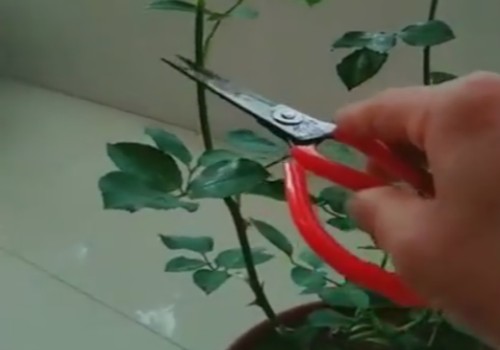
If you want roses to grow more vigorously, bloom more and more brilliantly, and maintain a good plant shape, pruning work is absolutely essential. However, pruning roses generally has the best effect when temperatures warm up in spring. Pruning at this time can also prevent frost damage to rose branches in early spring. After all, temperatures in early spring often still fluctuate greatly, and there is also a folk saying about the “late spring cold snap.”