How to Grow Camellias So They Bloom: A Full Breakdown of Care Tips
Many plant lovers enjoy growing camellias, but if a potted camellia does not bloom for a long time, it is bound to feel a bit regrettable. After all, the camellia is a plant very well suited to flower appreciation, with not only gorgeous blooms but also beautiful flower shapes and large blossoms. So its ornamental value is very high.
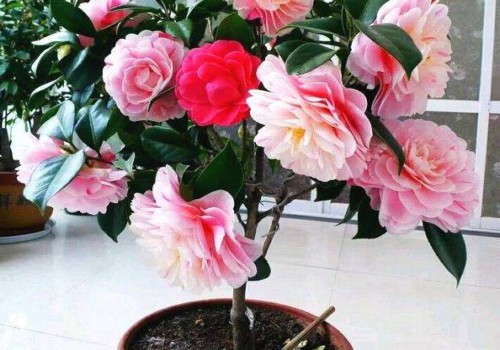
But if we run into the phenomenon of a camellia not blooming even after being grown for a long time, the potted plant will inevitably fail to show its ornamental value. After ruling out some minor factors, there are two main factors causing camellias not to bloom, namely: light and temperature. So how do you grow camellias so they bloom? We still need to focus on managing light and temperature.
Because camellias grown indoors tend to have relatively constant light and temperature, this is often unfavorable for camellia blooming. This is because camellias under long-day, high-temperature conditions are more inclined toward vegetative growth, which not only lets the branches grow sturdier but also makes the leaves grow a deeper green. But if camellias are grown under low-temperature and short-day conditions, this often has a certain promoting effect on their blooming.
Because many plant lovers like to place camellias indoors for care, but indoor environments often lack light or have insufficient light. So even when the flowering season arrives, camellias will find it hard to bloom because they cannot get enough light. After all, the camellia is a plant that quite likes light, especially during the flowering season, when it needs sufficient light. As long as it is not exposed to the scorching sun of summer.
1. Reasonable Light
Camellias normally prefer a semi-shaded growing environment, so generally providing a semi-shaded spot for the potted plant is enough. But some plant lovers also like to plant camellias in the courtyard; although the courtyard has spacious room, smoother air circulation and more ample light, which is also very favorable for camellia growth. However, in summer, shade measures must be taken promptly, because camellias fear scorching sun exposure, so promptly setting up a shade curtain for them is necessary.
Of course, we can also place them in a spot by the corner of a wall that is easy to shade, which can avoid scorching sun causing burns to camellia leaves. And even when grown indoors, in summer you must avoid sunlight shining directly through windows or balconies for too long, otherwise it will likewise easily sunburn camellia leaves.
After entering November, because the camellia is preparing to bloom, it needs to store up a large amount of nutrients and energy. And in autumn and winter the light is also relatively soft, so in order to promote the plant's blooming, you must let it get more sun. Through photosynthesis, the camellia quickly forms nutrients, promotes flower bud differentiation, and gets ready for blooming.
But if the light is relatively poor during this period, even if it can later bloom with some flowers, not only will the number be relatively small, the flowers will also be smaller in size, and the color will not be bright, and even the branches and leaves will be sparse.
2. Suitable Temperature
As for temperature, camellias are relatively suited to growing in a warm environment around 25°C. But after autumn arrives, especially in the lower-temperature northern regions, the temperature difference between day and night is relatively large. So during the morning and evening, you must promptly take cold-protection measures to ensure no frost damage occurs and blooming is not affected.
And for camellias placed outdoors for care, before nightfall you must promptly move them indoors for care, likewise to avoid freezing damage to the plant that would affect its blooming.
For camellia blooming, light and temperature are the most important guarantee factors, and you must achieve reasonable light and suitable temperature, otherwise the plant may fail to bloom. But there are also many other factors affecting the plant's blooming; compared with light and temperature, however, they are often easier to control well. So they are generally treated as secondary factors. But only by taking all factors affecting camellia blooming into consideration and then managing them according to scientific care methods can you ensure the plant blooms splendidly and smoothly on schedule.