How to care for snake plants in winter? Do these few things to get them through winter safely
Snake plant leaves are upright, firm and patterned, and stay evergreen all year round, making them very suitable as indoor foliage potted plants. Although the snake plant gets its name from the tiger-tail-like patterns on its leaves, it is not as cold-tolerant as wearing a tiger's skin; in fact, it is very afraid of the cold. Therefore, overwintering in winter is a problem.
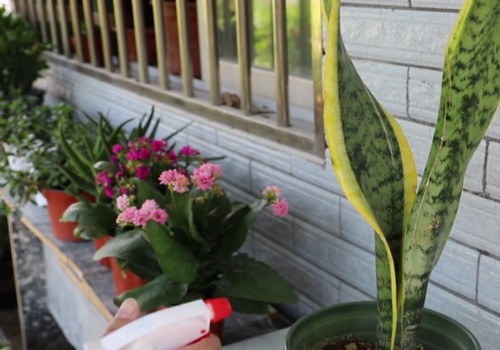
Because of the effects of low winter temperatures, snake plants easily enter dormancy and stop growing. To let them get through winter safely and smoothly without frost damage, the first problem we need to solve is improving their cold resistance and taking measures to keep them warm. So, how do you care for snake plants in winter?
1. Move them indoors in time
Because snake plants have poor cold tolerance, when winter comes and the temperature drops, they should be moved indoors promptly for care. If they are left in an environment below 10°C for a long time, the plants will not only easily enter dormancy and stop growing, but also risk frost damage, and in severe cases they can freeze to death. Therefore, before the temperature drops, move them indoors promptly and place them in a sunny spot, and take the necessary warmth-keeping measures.
2. Control watering
After moving the snake plant indoors, if the temperature is still relatively low, there is no need to water it heavily; you can even skip watering. This is because watering it in a low-temperature environment will instead reduce its cold resistance. If the indoor temperature is relatively high and the environment is relatively dry, water it promptly to maintain the moisture of the potting soil, and also spray more water around the plant to increase air humidity.
3. Stop fertilizing in time
A snake plant that has entered dormancy due to low temperatures grows very slowly, almost to the point of stopping growth. Therefore, the plant consumes very little water and nutrients. Besides controlling water, you also need to stop fertilizing. This is because in this situation, even if you apply fertilizer, the snake plant cannot absorb it, and instead it easily causes fertilizer burn and death. Generally, wait until the temperature warms up next spring and the plant resumes growth before fertilizing it again.
Besides the above three aspects, after we place the potted snake plant indoors, there are also certain requirements for the environment, otherwise the plant will still show poor growth. It should get more sun in winter, and you should also take good warmth-keeping and cold-protection measures to avoid frost damage; the environment should also have a certain humidity and smooth air circulation to avoid the environment being too dry. In this way, the plant can safely and smoothly get through winter.