How to grow snake plants so they thrive? A full guide to care techniques
The snake plant (Sansevieria) is a foliage plant with very high ornamental value. Its firm, sturdy leaves are not only tough but also full of vitality, and they give people a sense of upright, righteous spirit. But many plant lovers have found that this plant is not easy to grow well, so how do you grow snake plants so they thrive?
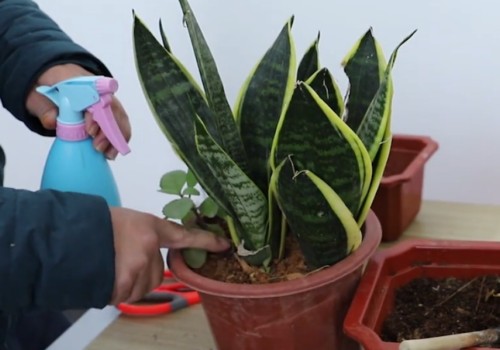
1. Pot requirements
First, we need to create a good potting soil environment for the snake plant, requiring soil that is fertile, loose, breathable and well-draining. Sandy soil is usually suitable; soil that is too heavy and sticky tends to become compacted, and it is not easy to grow snake plants well in it. It is recommended to use a mix of leaf mold, sandy soil and organic fertilizer, stirred together evenly before use.
When potting up the snake plant, be sure to put some granular clay pebbles or coarser sand grains at the bottom of the pot. This can improve drainage at the bottom of the pot, and at the same time make the upper layer of potting soil looser and better at draining water.
2. Suitable light
Since the snake plant likes light but is also shade-tolerant, and yet fears intense sun, its placement must be chosen well: it can neither lack light nor be left in the blazing sun for long periods. Normally, we only need to provide it with sufficient bright indirect light to meet the plant's photosynthesis needs for growth.
If the environment is too dark and lacking in light, over time it can easily cause the snake plant's leaves to dry out, the leaf color to become dull, and the plant to lack vitality. But if the sunlight is too intense, it can also easily scorch the leaves, and can even cause severe dehydration and death in a short time. So we generally just need to provide enough bright indirect light.
3. Reasonable watering
The snake plant is fairly drought-tolerant, but at the same time it likes light and is also fairly shade-tolerant, and the humidity in the potting soil should not be too high normally. But the snake plant's leaves are thick and large, and its demand for water is high, so watering must be timely without being excessive, just keeping the potting soil slightly moist at all times.
For watering the snake plant, you generally need to stick to the principle of "“neither dry nor wet; when dry, water thoroughly”". In the previous article, the editor also shared with everyone how to tell whether a snake plant is short of water; just follow the method described in that article and water in time.
4. Scientific fertilizing
Although the snake plant's leaves are large and thick, it does not like to be pampered with lots of water and fertilizer. Generally, just replenish water and fertilizer in small amounts but more frequently. And as for fertilizing, usually you only need to supplement a small amount of fertilizer during the growing season. Usually, applying a 0.2% monopotassium phosphate solution every half a month is enough to meet its growth needs.