How to grow snake plant in water? You'll get the right method at a glance
The snake plant (Sansevieria) is a foliage plant that is very well suited to being grown as a potted houseplant, but many gardening friends only know how to grow it in soil and don't realise it can also be grown in water. Even those who do know about water-growing snake plants often run into problems like blackened roots and rot.
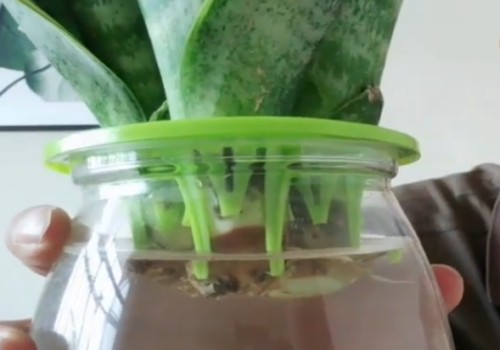
In fact, growing snake plants in water requires mastering certain methods and techniques, especially when it comes to water quality, which should be strictly controlled. Of course, other improper care practices can also cause various symptoms in water-grown snake plants. So how should you grow a snake plant in water without running into problems?
1. Timing for water growing
Water growing of snake plants is usually stricter about timing than water growing of many other flowering plants. Many flowering plants can be grown in water as long as the temperature is suitable. Snake plants, however, are generally started in water in April-May each year, after the plant enters its growing season.
This is mainly because both temperature and humidity during this period tend to be well suited to water growing. In such a climate, snake plants are more likely to survive and return to normal growth.
2. Root treatment
Besides choosing the right timing, the key to success in water-growing snake plants lies in treating the roots, which generally involves two steps: "cutting" and "washing". And "cutting" is divided into two stages:
First cut: take the snake plant out of the soil and cut away the rotted, dried-out and damaged parts of the roots. This process is also when we trim the roots of the snake plant.
Second cut: cut off roughly the lower 1/3 of the plant's roots, which stimulates the plant to sprout new roots. After these two "cuts" - root trimming and root cutting - we also need to rinse the plant promptly.
Washing: thoroughly rinse the plant's roots clean. After all, we are going to grow it in water next, so the roots must stay clean and tidy, free of any impurities or contaminants. This reduces pathogens and lowers the chance of bacterial infection.
But washing the roots of a snake plant should also be done in two steps, or rather, washed twice:
After the first rinse of the snake plant, we also need to use a carbendazim solution to disinfect and sterilise the roots. Soak for about 30 minutes, again for the purpose of disinfection and sterilisation.
The second wash is done after the carbendazim soak is finished. Once the plant's roots are thoroughly rinsed clean, it is ready for water growing.
3. The water-growing process
Prepare a fairly large glass container and wash the container clean as well. Then fill the container with more than half a bottle of clean water, and rest the snake plant, which has a support rack, on the rim of the container. At the same time, note that 2/3 of the snake plant's roots should be submerged below the water line, while the other 1/3 of the roots stay above the water surface. This way, the roots can exchange air both below and above the water surface at the same time, avoiding root rot.
If we submerge the entire root system in water, then once the water quality changes and the roots cannot breathe normally, root rot or decay easily occurs. So we need to leave part of the roots outside the water, letting the snake plant adapt to the water-growing environment gradually, thereby avoiding root rot.
Note that the first 2 weeks of water growing are when root rot, blackened roots and rotting roots are most likely to occur, so you must change the water frequently, generally every 2-3 days. But if the water turns yellow just 1 day after changing it, it means the roots were not cleaned thoroughly before. You need to wash the roots again and then restart water growing.