Reasons for Yellowing Leaves on Jasmine and How to Fix Them
Many gardening friends like to grow jasmine as a potted evergreen flowering plant. For flowering plants, everyone hopes to grow them well so they bloom on schedule. However, with jasmine, many beginner growers run into the problem of yellowing leaves, which not only affects flowering but also affects growth.
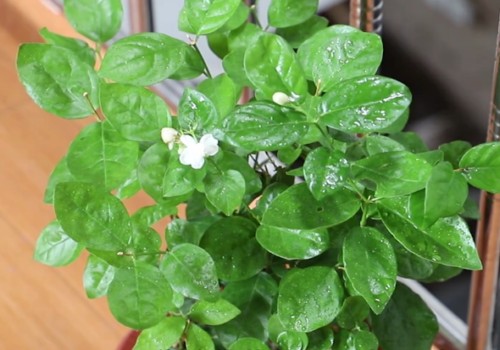
Jasmine is an evergreen plant, and when its leaves turn yellow, it means something has gone wrong with its growth. This first of all greatly reduces the ornamental value of the potted plant at a glance, so what should you do when jasmine leaves turn yellow? To solve the problem of yellow leaves on jasmine, today the editor will discuss it with you.
1. Plenty of Light
Jasmine is a sun-loving flowering plant, so its usual spot must face the sun to get light, and the light must be sufficient. But at the same time, it also fears the scorching sun of midsummer, otherwise the tender green leaves can easily be scorched and turn dry and yellow. However, if it is generally kept indoors, there is usually no problem of light being too strong, and it should also be given full light, otherwise insufficient light will affect the plant's normal growth and cause yellow leaves.
2. No Water Accumulation in the Pot
Jasmine likes moisture, but it is also not tolerant of water and fears waterlogging. This is because jasmine's root system is relatively fine and weak compared with many other flowering plants. Once water accumulates in the pot, it easily causes root rot, and then the plant will show yellow leaves. Therefore, besides ensuring the potting soil is sufficiently loose, breathable and well-draining, we also need to manage water strictly to avoid overwatering and water accumulation in the pot.
To improve drainage in the pot, we can first make a drainage layer at the bottom, for example, cinder about 5 cm thick, which works very well and can effectively prevent water accumulation in the pot, thereby safeguarding the plant's normal growth and preventing yellow leaves.
3. Use Acidic Soil
Since jasmine is an acid-loving flowering plant, we cannot use potting soil with high salinity and alkalinity to grow it. When mixing soil, besides considering fertility, looseness, breathability and drainage, we also need to make sure the soil is slightly acidic or acidic, so the plant can grow normally.
However, it is also possible that our watering and fertilizing raise the salinity and alkalinity of the potting soil. To avoid this, we can regularly apply a little ferrous sulfate. Generally, dissolve and dilute it at 1:1000, then water it in once every 20-30 days. This can raise the soil's acidity and make the potting soil environment more suitable for jasmine growth.
4. Prune Regularly
Jasmine is fairly tolerant of pruning, and its sprouting ability is also strong. Regular pruning not only promotes better sprouting and growth but also stimulates jasmine to bloom. First, after flowering, promptly cut off the spent flowers, keeping only 2-3 nodes on each flowering branch, and also cut off old, weak, diseased and dead branches. If the branches and leaves are too dense, prune them thin as well.
5. Apply Fertilizer in Time
If jasmine lacks fertilizer, the plant's branches will naturally grow very thin and weak, which will inevitably affect flowering, because the plant does not have enough nutrients and strength to promote blooming, and it is also more likely to cause yellow leaves. So during the growing season, the plant needs timely fertilizing. After flowering and pruning, the plant also needs nutrients to resume normal growth and sprouting, so timely fertilizing is needed as well, to avoid affecting flowering or even causing yellow leaves.