What to Do When Jasmine Leaves Turn Yellow and Drop? Causes and Solutions
Potted jasmine not only has high ornamental value, but also gives off a pleasant fragrance. Placing it indoors for care can fill the whole room with fragrance when it blooms. Not only that, jasmine can also be made into tea, which is likewise rich in fragrance and very tasty.
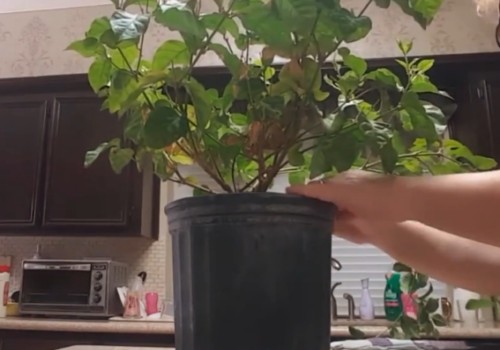
However, many novice growers always run into the problem of yellowing leaves accompanied by leaf drop when growing jasmine in pots at home. For us, this is undoubtedly a blow. So, what should you do when jasmine leaves turn yellow and drop? Based on my own experience, I have summarized the causes of this problem as follows:
1. Changes in environment
Before jasmine blooms, it may only have lush branches and leaves, and it may not seem that attractive. So many growers move it outdoors before flowering to let it receive sufficient light to promote blooming. There is actually nothing wrong with doing this, but because its flowers are so fragrant, many growers also want that fragrance to fill the whole home. So they simply move it indoors for care.
In fact, doing this is very unfavorable for the growth of jasmine. First, moving it from an outdoor environment to indoors during the flowering period causes a huge change in the care environment, and the plant needs to adapt to the indoor environment, so its normal growth will be affected for a while. In addition, indoor environments generally have relatively poor ventilation and weaker light, so the plant's normal growth is more easily affected, and yellowing leaves and leaf drop then appear.
2. Deterioration of soil quality
Jasmine prefers a fertile, loose, breathable and well-draining acidic soil environment rich in humus, such as soil containing some ferrous sulfate. This kind of soil is often more suitable for jasmine growth and is also very beneficial for its blooming. Once the soil quality deteriorates, such as when the potting soil becomes compacted and affects root aeration and the penetration of water and fertilizer, or when the soil pH becomes imbalanced, the normal growth of the plant may be affected.
Therefore, when the soil is unsuitable, jasmine may develop yellowing leaves and leaf drop. Once this situation is found to be caused by soil problems, on the one hand we should apply a little fertilizer such as ferrous sulfate to adjust the pH and improve the soil. If there is no ferrous sulfate, some rice-washing water can also be used to make it more suitable for jasmine growth. At the same time, if the potting soil is compacted, loosen the soil appropriately.
3. Pest infestation
If we find that potted jasmine has yellowing leaves and leaf drop, after ruling out the above two factors, we should also carefully observe whether the plant has been infested by pests. Pay special attention to observing the yellow leaves, as insects may be on them, and under pest attack, poor growth is very likely to occur.
The above three aspects are the main causes of yellowing leaves and leaf drop in potted jasmine. Everyone should pay attention to them during routine care and take protective measures. Do not focus only on admiring the pure white and beautiful flowers and enjoying the pleasant fragrance while neglecting daily management.