Reasons for Yellowing Leaves on Snake Plants and How to Fix Them
Snake plants have an attractive shape and are highly ornamental, but sometimes yellowing leaves can occur due to inadequate care and management. So what should you do when a snake plant's leaves turn yellow? Naturally, you need to find the cause of the yellowing and then treat the problem accordingly.
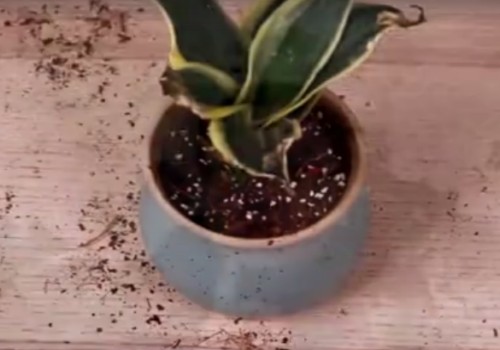
When a snake plant's leaves turn yellow, it will inevitably reduce its ornamental value and may also affect normal growth, so it deserves our full attention. Many plant enthusiasts simply assume that cutting off the yellowed parts of the leaves is enough. In fact, this really cannot guarantee that yellowing leaves won't continue to appear in the future.
Yellowing leaves on a snake plant is a relatively common adverse symptom. At best, it reduces the ornamental value of the potted plant; at worst, it can lead to the plant's death. So once you notice yellowing leaves on your snake plant, you should immediately start investigating the root cause of the problem.
When a snake plant develops yellowing leaves, the problem generally lies in the roots, meaning the roots are damaged or rotting. And the method for determining whether there is a root problem is very simple. We gently grasp the plant with our hands and lift it into the air. If the pot and potting soil are lifted together with the plant, it means the root system is healthy and undamaged.
But if we lift the plant with our hands and it immediately separates from the soil in the pot, that is enough to show that the plant's roots have already rotted or been damaged. Then we carefully examine the plant's root system; in this case, the roots have generally already died. So what should we do at this point?
1. We need to remove all the rotten roots, then use scissors to cut off the bottom of the roots until the white part inside the roots is visible. Then set it aside to let the wound dry. Before replanting, it is best to use a mancozeb solution to sterilize and disinfect the roots.
2. Prepare a container, then pour in an appropriate amount of clean water, then pour in the mancozeb and let it fully dissolve, then stir well. Although the mancozeb solution has a distinct medicinal smell and does not seem very pleasant, its sterilizing and disinfecting effect is indeed very obvious.
3. Soak the base of the snake plant, which has undergone root trimming and drying, in the mancozeb solution to sterilize and disinfect it. This ensures that the plant will not continue to develop infections after being repotted.
4. When repotting, it is recommended to use moist soil for planting. This avoids the need to water after potting, while the potting soil still has some moisture, ensuring the plant can get water to resume growth. You can use the mancozeb solution that was used to soak the roots to first moisten the soil, which is safer.
5. Repot the snake plant with the dried wound. Note that the part buried in the soil must be deep enough, as this is more conducive to the plant's recovery. Finally, place the potted plant in a cool, ventilated place to let it recover.
Some plant enthusiasts may ask whether it is necessary to water with a rooting solution after planting. In fact, this question is now very simple and obvious: after root trimming, the plant does not even have roots, so naturally there is no need to water with a rooting solution. Watering with a rooting solution is an operation that requires the presence of roots to water thoroughly.