How to grow lucky bamboo in water? Mastering these little tips is all you need
Lucky bamboo symbolizes good fortune and prosperity, so many plant lovers like to keep a few pots at home. And the care method is also very simple; with just a little grasp of some care tips, you can grow it with lush branches and leaves, thick stems and green leaves. So, lucky bamboo is an evergreen plant that is very suitable for both new and experienced plant lovers to grow.
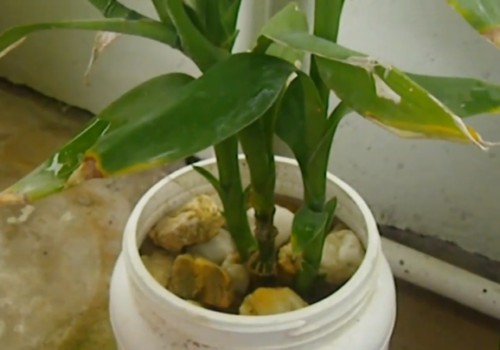
Lucky bamboo can not only be potted and grown by the conventional soil culture method, but can also be grown in water. Likewise, as long as you can master certain care tips, you can easily grow it with distinctive features. Below, the editor will share with you some little tips for growing lucky bamboo in water.
The most common growth problem with lucky bamboo is yellow leaves. As long as we can add a little “ingredient” for it in a water culture environment, we can easily make it grow with lush branches and leaves and glossy green foliage. The following are several aspects of care tips we need to master:
1. Feed the plant amoxicillin
If during the process of growing lucky bamboo in water we find that the plant shows yellow leaves, then we can take one aspirin tablet and dilute and dissolve it in water at a ratio of 1:500 to make a solution, then drip 3-5 drops into the water in the container. Generally after 7-10 days, the yellow-leaf phenomenon of lucky bamboo will gradually disappear and finally turn green again.
2. Provide light for lucky bamboo
When growing lucky bamboo, you should usually place it in a spot where it can fully receive scattered light, because lucky bamboo is shade-tolerant but also likes sunlight, and at the same time fears direct strong light and scorching sun exposure. So, in order to let the plant carry out photosynthesis normally without being sunburned, usually you only need to place it in a spot where it can fully receive scattered light.
At the same time, you should of course also keep the plant away from places with heavy cooking fumes such as the kitchen, and you cannot place it near home appliances and other places with strong electromagnetic radiation, and even less directly below the air outlet of an air conditioner or heater, otherwise the growth of the plant will be affected.
3. Supplement nutrient elements in time
Although lucky bamboo is relatively prone to yellow leaves, sometimes it may also be yellowing due to iron deficiency. For hydroponic lucky bamboo, you can put a few rusty iron nails into the container, which can decompose some iron elements. After the plant absorbs the iron elements, it can achieve the prevention and treatment of yellowing leaves. Does this sound amazing? In fact, it really can show remarkable effects!
The above are the methods for dealing with the relatively common yellow-leaf symptoms of the plant during the process of hydroponic lucky bamboo. As long as everyone masters the management tips in this aspect well, hydroponic lucky bamboo generally will not show yellowing leaves, and at the same time it can also prevent the plant from other forms of poor growth.