How to Grow Lucky Bamboo So It Blooms: A Detailed Guide to Care Techniques
Lucky bamboo not only carries an auspicious meaning but also has high ornamental value, so many households grow it. Lucky bamboo is a plant very well suited to foliage display, but can lucky bamboo bloom? In fact, most growers only know that lucky bamboo is great for its foliage, without knowing that lucky bamboo can bloom.
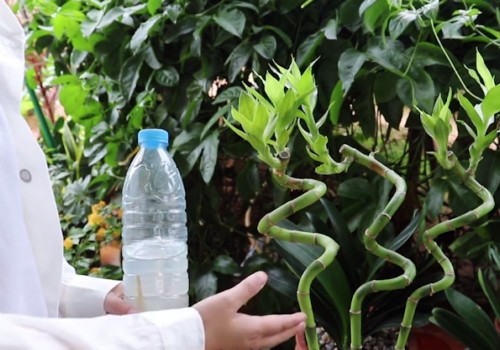
Lucky bamboo is grown mainly for its stems and leaves. Although its flowers are rarely seen, that does not mean it never blooms. As long as the growing environment is suitable and the conditions for blooming are met, lucky bamboo can bloom. So how do you grow lucky bamboo so that it blooms?
It is extremely rare for lucky bamboo to bloom. If we happen to see it bloom around the New Year, it is usually regarded as an auspicious and lucky sign. To encourage lucky bamboo to bloom, the editor recommends a very effective method. As long as we soak it in these two liquids, lucky bamboo will not only grow vigorously but also produce flowers.
1. Willow sap solution
Many people know that willow sap is an excellent rooting agent and has a very obvious effect on promoting root growth in plants. So lucky bamboo can also be grown with willow sap to develop its roots. This is mainly because willow sap contains a large amount of salicylic acid, a plant growth hormone that can stimulate plants to take root and sprout. Using it to grow lucky bamboo will strengthen its root system, thereby laying a good foundation for the plant to bloom.
Moreover, willow sap is very simple to make. Just cut willow branches collected from willow trees in the wild into small pieces, then soak them in clean water for about 1 day. Then filter out the mixed liquid and water it onto the lucky bamboo; this can help the lucky bamboo take root quickly and make its stems firmer and stronger.
2. Monopotassium phosphate
For flowering plants to bloom, they inevitably need sufficient nutrients, and these are usually mainly phosphorus and potassium fertilizers. Monopotassium phosphate is a very good flowering-promoting fertilizer and is also needed for plant growth, and it is suitable not only for soil-grown lucky bamboo but also for hydroponically grown lucky bamboo.
We can soak the lucky bamboo in a monopotassium phosphate solution: add clean water up to the top, then insert the roots of the lucky bamboo into it and soak for about a quarter of an hour. After the lucky bamboo has rooted, it can either continue to be grown hydroponically or be switched to soil culture. For soil-grown lucky bamboo, a monopotassium phosphate solution can likewise be used, and it can simply be poured directly at the roots.
Because the lucky bamboo receives sufficient nutrients, it will keep growing vigorously. Once all the growing conditions are met, the lucky bamboo can be expected to produce flowers.
The two solutions above can not only make lucky bamboo grow lush branches and leaves with deep green foliage, but also enable the plant to produce beautiful flowers. Growers who are interested might as well give it a try! Perhaps you really will get an unexpected surprise!