How to care for and manage jasmine during its dormant period
After autumn arrives, because temperatures in many regions are relatively low, jasmine begins to gradually enter dormancy in some areas. In this situation, the color of jasmine leaves will appear dark green, and some also show blackening, dullness, or even yellowing. So how should jasmine be cared for and managed during the upcoming dormant period?
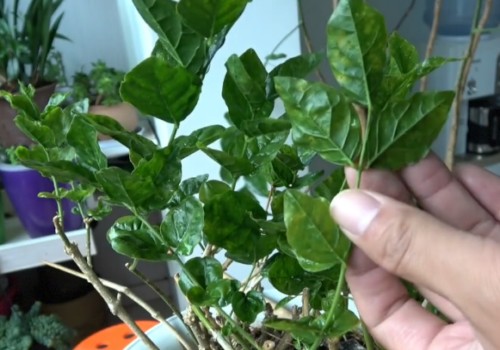
Whether the pruning work for jasmine during the dormant period is done well or not will directly affect the number and quality of blooms the following year, making it a key step. Jasmine is relatively tolerant of pruning, and its sprouting ability is also relatively strong. After autumn arrives, you must carry out the necessary pruning for jasmine.
And the pruning method is also very simple; you only need to master one trick. Cut off the new branches of the jasmine, and shorten the old branches, keeping 2-3 nodes at the lower part. When pruning, cut above the bud points on the branch and keep a certain number of bud points, so as to ensure smooth sprouting the following year.
For branches with obvious apical dominance, they are relatively likely to ruin the plant shape and will also consume too much nutrition, so they also need to be appropriately shortened, likewise keeping the bud points at the lower part of the branch. Only in this way is it beneficial for the plant to sprout new branches later when the temperature warms up again, and even grow flowering branches, so that when the flowering period comes, it can bloom as expected.
In terms of fertilizing, because jasmine gradually enters dormancy after autumn arrives, it is not recommended to use quick-acting fertilizers, such as compound fertilizer, monopotassium phosphate and the like; since they are quick-acting chemical fertilizers, they are not suitable for use at this stage. If you want to fertilize, it is recommended to apply organic fertilizer.
However, the range of organic fertilizers is also broad; for example, things like fruit peels and kitchen waste can all be used as organic fertilizer, and then covered well with potting soil. In this way, over time it will slowly ferment in the potting soil, thereby decomposing the nutrients needed for plant growth.