How to care for a Sorbaria kirilowii bonsai? A full breakdown of methods and tips
Sorbaria kirilowii is a sun-loving tree species that also tolerates shade, cold, drought and moisture. Based on these habit traits, it is not hard to imagine that this plant is very easy to keep alive. In addition, its leaves are feather-like, both unusual and exquisite; it is an evergreen shrub, usually grown as a potted plant, and can even be shaped into a bonsai for appreciation, with a very good ornamental effect.
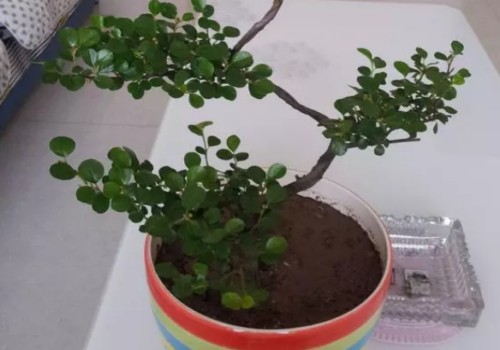
Sorbaria kirilowii growing in the wild is generally found mostly in cold, shady places. If we are lucky enough to obtain an old stump and turn it into a fine bonsai, its ornamental value is very high and its artistic effect is also quite good. Most importantly, this tree is very easy to manage, so how do you care for a Sorbaria kirilowii bonsai? Generally, we only need to do the same routine management as for ordinary flowering plants.
1. Potting soil
Sorbaria kirilowii does not have high requirements for potting soil, but in a potted environment we usually try to prepare a deep, fertile sandy soil with good permeability for it. Generally, a mixed soil made from leaf mold, garden soil, coarse sand and compost is used to grow it; this way the plant grows better and, when the flowering season arrives, it displays a scene of abundant flowers and green leaves, with higher ornamental value.
2. Light
Sorbaria kirilowii itself is fairly shade-tolerant and likes a semi-shady growing environment; originally, we only need to provide it with sufficient scattered light to meet its light needs. However, during the flowering and fruiting period, light usually needs to be increased to speed up photosynthesis and form nutrients, which can make its flowers more fragrant and vivid and its growth more vigorous.
3. Temperature
Sorbaria kirilowii grows best in a temperature environment of 10°C-25, but it is also fairly cold-tolerant; even in winter at a very cold temperature of -20°C, frost damage often does not occur. Therefore, in a home potted environment, its growth is usually not affected by temperature changes.
4. Watering
Sorbaria kirilowii likes moisture and needs a relatively large amount of water during the growth and flowering stages, so in a potted environment it should be watered in time, following “water when dry, stop when wet”, and watering should be thorough, so as to keep the potting soil moist at all times. But in the rainy summer, attention should be paid to sheltering from rain and preventing waterlogging, otherwise the plant is prone to root rot. In autumn, watering should be appropriately reduced; before winter begins, water thoroughly once as wintering water, and then keeping the potting soil moist is enough for it to pass the winter safely.
5. Fertilizing
In addition to applying enough base fertilizer when potting, in the spring growing season it is suitable to apply an organic liquid fertilizer once a month; April to May is when the plant differentiates flower buds, so a phosphorus-potassium fertilizer should be applied once every half month, and fertilization should be stopped in time once the flowering stage begins. However, during the fruiting stage, fertilization should continue to promote the growth and development of the fruit. After autumn pruning, fertilizer should be applied in time to restore the plant's vigor and lay a good foundation for flowering the following year.
6. Pruning
Sorbaria kirilowii is fairly tolerant of pruning and also has strong sprouting ability. But it is generally pruned in autumn after flowering; not only should spent flowers be removed, but old, weak, diseased and pest-infested branches also need to be removed, and branch trimming can be combined with shaping. This can save nutrients, make the plant shape more beautiful, and also stimulate the plant to sprout quickly and recover its vigor faster. But after post-flowering pruning, water and fertilizer management still need to be strengthened in time.
7. Pests and diseases
Sorbaria kirilowii generally does not easily suffer from pests and diseases; doing a good job with fertilization and ventilation management in normal times can improve the plant's resistance to pests and diseases. The main diseases are leaf spot and powdery mildew, which can be sprayed with carbendazim or thiophanate-methyl; the main pests are stinging caterpillars, red spider mites, lanternflies, scarab beetles, scale insects, etc., which can be sprayed with omethoate or trichlorfon.