What are the reasons Rieger begonia does not bloom
For potted flowering plants grown mainly for their blooms, a failure to flower inevitably greatly diminishes their ornamental value, or even destroys it entirely. But when a flowering plant fails to bloom, there must be a reason: either the growing environment is unsuitable and cannot meet the conditions for blooming, or improper care and management methods have suppressed or affected flowering. So what are the reasons Rieger begonia does not bloom?
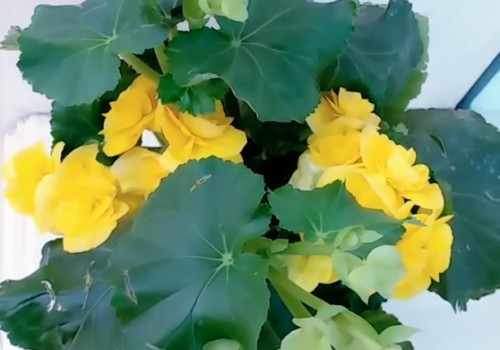
When Rieger begonia fails to bloom, the reasons fall into two broad categories: unsuitable environment and improper care. The two are often closely linked, because improper care can also lead to an unsuitable environment. After all, the environment includes not only the surroundings of the spot where the pot is placed, but is also directly related to the potting soil environment. When care methods are improper, they may change or even damage the growing environment of the Rieger begonia, thereby affecting its flowering.
1. Unsuitable environment
Rieger begonia likes a warm and humid growing environment, and also requires soil that is fertile, loose, breathable and well-draining, and slightly acidic. Only by attending to these details can you create an environment suitable for its growth and flowering. If the soil where the plant grows is poor, with drainage and aeration that are too weak, or if the soil is on the alkaline side, the plant will inevitably grow poorly, so flowering will also be affected.
If the air humidity is not low, or the potting soil is too wet or even waterlogged, if the temperature is too high or too low, if the light is too strong or insufficient, or if ventilation is poor, the plant can easily end up in a stuffy, enclosed environment, or suffer root suffocation, root rot or leggy growth. All these factors cause poor growth, which in turn affects flowering.
2. Improper care
Improper care may mean too much or too little water and fertilizer during routine management, failure to pinch back or prune in time, failure to repot in time when the pot becomes too crowded, or failure to effectively control pests and diseases in time; all of these can lead to poor growth and, in severe cases, can even kill the plant, so they naturally suppress flowering, resulting in the awkward situation of having no flowers to enjoy during the flowering season.
Rieger begonia has relatively high requirements for its growing environment and care methods; especially if you want it to bloom smoothly on schedule, you should do a good job with routine care and management. Improper practices may damage the environment and thus affect flowering; if practices are scientific and reasonable, getting it to bloom is not difficult. But we need to understand and become familiar with the growth habits of this flowering plant in advance, then create a suitable care environment for it according to those habits, and apply scientific management; this can also lower the difficulty of growing it and provide a guarantee for its flowering. And with good care, you may even hope for it to bloom in all four seasons!