Reasons Why Rieger Begonias Don't Bloom and How to Fix Them
Rieger begonias not only have large, brightly colored flowers, but also broad, emerald-green leaves. When grown in pots, they are ideal for both flower and foliage display. However, if you want your Rieger begonia to bloom smoothly and on schedule, not only does the growing environment need to be suitable, but the care and management methods must also be scientific. Otherwise, the Rieger begonia may fail to bloom. So what should you do if your Rieger begonia won't bloom?
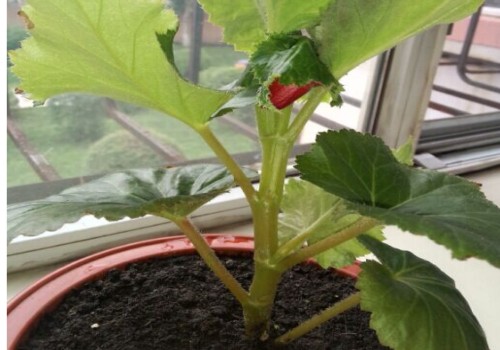
If your Rieger begonia reaches its blooming season without producing flowers, we need to investigate the cause promptly. Not only should we check whether the growing environment is suitable, but we should also reflect on whether our care methods are appropriate. In practice, we have found that Rieger begonias fail to bloom mainly due to poor soil quality, insufficient light, unsuitable temperatures, and improper water and fertilizer management. Therefore, we need to start by investigating and addressing these aspects.
1. Increase Light
Rieger begonias prefer a growing environment with ample light. If the ambient light is too poor, it will not only easily cause the plant to grow leggy stems and leaves, but will also inhibit blooming. So not only should you provide plenty of light for potted Rieger begonias on a regular basis, but especially during the blooming season, you should ensure adequate light. As long as you are not placing the plant under scorching direct sun, you should let it get as much sunlight as possible.
2. Control Temperature
The most suitable growing temperature for Rieger begonias is usually between 18°C-25°C. If the temperature is too high or too low, it will not only affect blooming but may even affect the plant's normal growth. This is because Rieger begonias are neither heat-tolerant nor cold-tolerant. If you want them to maintain good growth and bloom smoothly, the temperature must be well controlled and kept within the suitable range.
3. Increase Humidity
Rieger begonias prefer a moist growing environment and have relatively high humidity requirements. Not only does the potting soil need to stay consistently moist, but the air humidity also needs to be high. If the humidity is too low, it will also affect blooming in Rieger begonias, resulting in fewer flowers and lower quality, and may even make blooming difficult. However, if overwatering causes root suffocation or root rot, or if excessive humidity causes a stuffy, enclosed environment, this can also prevent Rieger begonias from blooming. So whether during the growing season or the blooming season, we need to provide a suitable humidity environment.
4. Fertilize Promptly
Flowering plants need to consume a large amount of nutrients to bloom, and nutrients need to be built up before the blooming season. If nutrients are insufficient, the plant will not have enough capacity and energy to promote blooming, and the same is true for Rieger begonias. Moreover, Rieger begonias themselves are quite fond of fertilizer. Not only do they have large, brightly colored flowers, but they also have lush stems and leaves, so their nutrient requirements are naturally relatively high. Especially during the blooming season, we should apply a little extra phosphorus and potassium fertilizer to promote flowering.
5. Improve Soil Quality
Rieger begonias prefer a fertile, loose, well-aerated, well-draining, slightly acidic potting soil environment. If the soil we mix is too poor in quality or too alkaline, the plant will inevitably grow poorly and naturally struggle to bloom. It is generally recommended to use a mixed substrate made from decomposed pine needle soil, garden soil, and river sand. Of course, we can also use a mixed substrate made from leaf mold and perlite, and both work well.
6. Improve the Environment
Because Rieger begonias prefer a warm, humid, well-ventilated, well-lit growing environment and have the characteristics of being intolerant of heat, cold, and waterlogging, once the growing environment conflicts or clashes with these habits, it will easily affect the plant's normal growth and lead to failure to bloom. So if you want them to bloom smoothly, you must provide a comfortable growing environment that meets the conditions for blooming.
7. Use Hormones to Force Blooming
For some varieties of Rieger begonias, if the growing environment is suitable and care is properly done but they still won't bloom, it may be due to the variety itself. In that case, we can try using a small amount of hormones to force blooming. Many flower shops sell blooming stimulants, so we might try buying some and spraying it to promote the formation of flower buds. But if it is due to the variety, it is recommended to choose a new, superior variety for potting instead.