What to do if worms grow in the soil of water lilies? A few solutions to teach you
Many friends like to grow water lilies, not only for enjoyment but also for the fun they bring. However, the care environment we provide needs to be good enough. If there is insufficient light and poor ventilation, worms are fairly likely to appear in the pot. If worms appear in the water, especially mosquito larvae, we can keep a few fish in the pot to clear them out. But what should we do if worms appear in the pot soil?
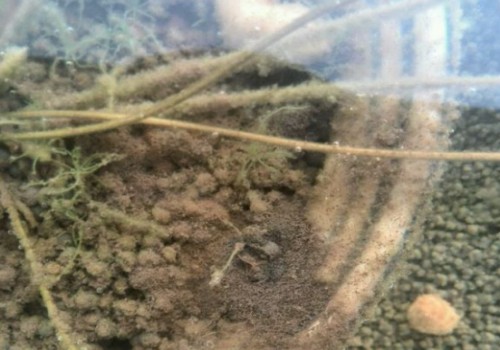
Whether worms appear in the water or in the soil, for potted water lilies it does not look attractive and is sometimes even very disgusting. At the same time, the worms may also spread harmful bacteria, which not only affects the normal growth of the water lily but may even bring health problems to the environment. Therefore, once worms are found in the water lily pot, they must be dealt with promptly.
For worms in the water of water lilies, it is generally easier to deal with: keeping a few small fish can clear them out. And even if worms appear on the stems and leaves, we can usually use pesticides diluted with water in a scientific ratio and spray them to kill the pests, which often also produces good results. But what do we do about worms in the soil of water lilies?
The pot soil of water lilies is fairly fertile and loose, and it is also a hotbed for worms. If it is not dealt with in time, the worms may gnaw on the water lily's tubers. At the same time, they may also spread harmful bacteria, causing the plant's roots to become infected, then leading to root rot and further affecting its normal growth. But if you want to use pesticides in the pot soil to kill the worms, it is often rather troublesome.
To clear out the worms in the soil at the bottom of the pot, we can completely avoid using pesticides to kill them and instead use the method of repotting and changing the soil. First, dig the water lily's tubers out of the pot soil, then rinse them thoroughly, trim the roots appropriately, and remove the rotted parts. Next, soak them in a fungicide such as carbendazim to sterilize and disinfect. After the wounds have sealed, repot and plant them again.
But when repotting, it is recommended to use a new pot and new pot soil. If necessary, we can also mix a little pesticide into the pot soil, which can better help prevent pest problems. And if we use a new pot and new pot soil to replant, there will be no pests in the pot soil. After replanting, we should also promptly provide the water lily with a good growing environment, usually requiring smooth ventilation and sufficient light, which can help avoid pest problems from happening again.