What to do when insects appear in the water of water lilies? A few control methods to teach you
Water lily leaves are glossy green and its flowers are delicate and colorful; it is enjoyed both for its foliage and even more for its blooms, and when grown in a pot its ornamental value is very high. But first we need to provide it with a high-quality growing environment, so that the plant can grow vigorously and bloom beautifully. However, if the environment is damaged, it will not only affect the plant's normal growth and flowering, but may even cause pest problems.
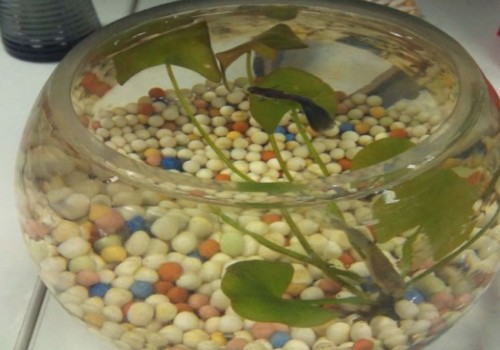
Water lily is a plant that is relatively prone to attracting pests; not only are the roots susceptible to insects, but pests are also more likely to appear in the water. So, what should you do when insects appear in the water of water lilies? Although unsuitable conditions may cause pests to appear in the water of potted water lilies, if we do not control them in time, they can easily spoil the water quality, which may lead the plant not only to suffer pest problems but also to develop diseases.
In a water-grown environment, water lilies are relatively prone to attack by aphids and water borers, and both of these pests can seriously affect the normal growth of water lilies. Therefore, once these pests first appear in the water of the water lily pot, they must be dealt with promptly and eliminated to ensure that the water lily can maintain normal growth and bloom with beautiful flowers on schedule. Moreover, the appearance of pests in the water is not attractive for a potted plant and can easily damage the environment.
1. Dealing with aphids
Usually, when water lilies are in the growth and development stage, they are often prone to aphid infestation due to insufficient light, poor ventilation conditions, and especially poor air circulation, which also makes the plant grow weakly. Therefore, when aphids appear in the pot, we should spray to kill them promptly, so as to prevent them from affecting the plant's normal growth and damaging the environment.
But controlling aphids also requires targeted treatment with a specific pesticide. Generally, we can use dichlorvos, diluting it with water at a ratio of 1:1200 to spray and kill aphids. Or we can boil tobacco leaves in water to make a medicinal liquid for spraying. Generally, for every 50 grams of tobacco leaves, about 5 cm of water can be added, then the tobacco leaves and water are boiled for a period of time and can be used as a liquid to spray and kill aphids.
2. Dealing with water borers
If water lilies are infested by water borers, we must not ignore it either. This is because the harm is very great; in particular, their larvae gnaw on the leaves of water lilies and may even eat them completely, leaving only net-like leaf veins, which reduces the ornamental value of the potted plant and also affects the plant's normal growth. Moreover, water borers mostly feed at night, so they are not easy to spot.
If we usually find the protective cases of water borer larvae floating on the water surface in the pot, we should promptly scoop them out and dispose of them, then use 50% fenitrothion diluted with water at a ratio of 1:1000 to make a liquid for spraying. Be sure to remove the excess larvae floating on the water surface before spraying with the pesticide, as this will give a better and more thorough effect.