What causes azaleas to not bloom
Azalea (Rhododendron) is an evergreen shrub that blooms profusely and beautifully. Because of its high ornamental value, it is often grown as a potted plant, especially old specimens, which can also be shaped into bonsai artworks for appreciation. However, the best viewing period for azaleas is usually during the flowering season, which is April to May each spring. Of course, depending on the regional environment, the flowering season may come earlier or later.
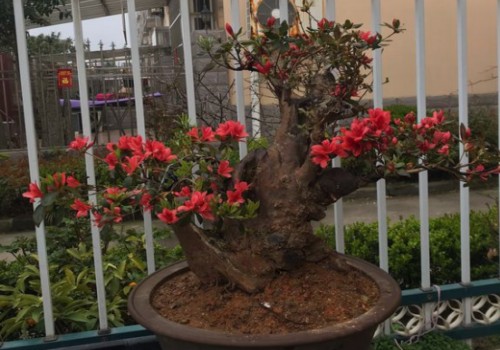
Undoubtedly, the ultimate goal of growing azaleas in pots is to have them bloom on schedule with abundant, large and beautiful flowers. But sometimes, due to unsuitable growing conditions or improper care, they may fail to bloom or produce few flowers. So, what causes azaleas to not bloom?
Azalea wood is hard, but the bark is brittle and thin, and it has many fibrous roots. To bloom, it has relatively high requirements for the growing environment. Since potted azaleas are rather difficult to grow well, they must be cared for very attentively during maintenance. Especially azaleas that have just been potted, they often show "false death" or "false life" phenomena, and it usually takes 2-3 years for them to fully establish and survive.
Moreover, during this period we also need to do the related care work well. Although the time from establishing to blooming is relatively long, we must not rush for quick results, otherwise not only may there be no flowers to enjoy when the flowering season arrives, but the plant may even die, or at least its growth may be less than satisfactory. Therefore, daily care and management work is very important, especially management during the seedling recovery period, which must not be neglected.
Azaleas have strong sprouting ability. If during the establishment period a large number of young shoots sprout from the lower part of the plant and grow vigorously, bud pinching and bud thinning must be done at any time to ensure the plant can obtain relatively sufficient nutrients to sustain growth. The new shoots on the lower part of the plant not only easily ruin the beauty of the plant shape, but also uselessly consume nutrients, causing the plant to lack enough nutrients to promote growth, let alone bloom later. So this is not advisable, and they need to be removed promptly.
If after the plant establishes, the first year's flowering season arrives, in order to strengthen the tree's vigor, generally in the first year the flower buds should not be kept, since blooming consumes a large amount of nutrients. By the second year's flowering season, a small number of flower buds can be kept, and in the third year a few more flower buds can be kept appropriately. At the same time, after flowering, spent flowers and fruits should be removed promptly to avoid unnecessary nutrient consumption that would affect the next year's blooming. Through flower control treatment, you can ensure abundant and splendid blooming later.
In general, the main reasons causing potted azaleas to not bloom or bloom little are that after potting, the related care and management work was not done well, resulting in a relatively long establishment period. When a plant lacks nutrients, it is often difficult for it to bloom. At the same time, failure to do flower control well in the early stage is also one of the important reasons affecting blooming.
In order to promote azalea blooming and make it bloom abundantly and beautifully, generally from the time potting is completed, management should be strengthened and careful care given. You must ensure sufficient water and fertilizer, but not excessive amounts; you must provide a suitable light and temperature environment, but must not let the plant be exposed to scorching sun or freeze. Also, the early flower control work must be done well, generally managed by appropriately keeping flower buds in increasing numbers year by year, so that it can bloom better later.