How to grow Rieger begonia in the north? Detailed care methods
Rieger begonia is notoriously difficult to grow, mainly because it has relatively high requirements for its growing environment and is prone to poor growth when the environment changes. But it is a flowering plant that likes warmth, humidity and slightly acidic conditions, so it is generally suitable for growing in southern China. In northern regions, because the water and soil are mostly on the alkaline side, it is not really suitable for growing directly. So how do you grow Rieger begonia in the north?
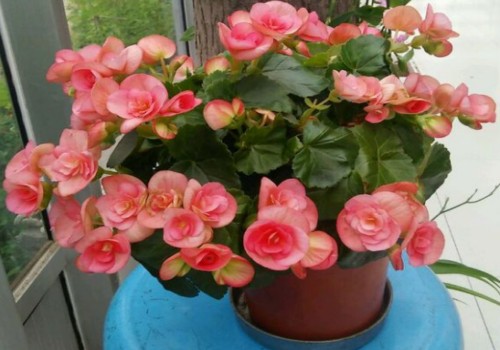
If gardening friends in northern regions like to grow Rieger begonia, considering many factors unfavorable to its growth such as unsuitable water and soil, winter temperatures that are too low, and dry air, it is recommended to grow it as a household potted plant. In that case, after we prepare the soil, we can add some substances such as ferrous sulfate when watering to increase the acidity of the potting soil, which is more conducive to the plant's growth.
At the same time, because Rieger begonia has relatively poor cold tolerance, in winter you must promptly take measures to keep it warm and protect it from the cold, and try to place it in a bright, well-ventilated spot indoors for care, and be sure to let it get plenty of sun on sunny days. But some gardening friends, in order to keep it warm, like to turn on heating air conditioning or a heater indoors, and northern winters are extremely cold, but if heating equipment is running indoors, the air often becomes even drier, which is unfavorable to the growth of Rieger begonia.
Although Rieger begonia fears waterlogging and has the trait of not tolerating water, at the same time it also quite likes humidity, requiring not only suitable moisture in the potting soil but also relatively high air humidity. Northern winters are not only extremely cold, but the air humidity is also low, a completely dry and cold scene. Add to that heating equipment indoors, and the air becomes even drier, which is unfavorable for the growth of Rieger begonia, which likes a humid growing environment. So we also need to promptly do humidifying and moisture-retaining work to provide the plant with a humidity environment more suitable for growth.
But humidifying Rieger begonia also requires attention to method. Although it quite likes humidity, too much humidity often causes the roots, stems and even flowers and leaves to rot. First, Rieger begonia does not tolerate water, so it is not suitable to use the traditional method of watering. Instead, place a tray under the bottom of the flowerpot, put an appropriate amount of clean water in the tray, and let the water seep through the drainage hole at the bottom of the pot into the soil. At the same time, this has another benefit: the evaporation of water can raise the air humidity around the plant, thereby achieving the purpose of moisture retention.
Therefore, if you want to grow potted Rieger begonia well in northern China, first you must find a way to make the soil slightly acidic; second, take good measures to keep it warm and protect it from the cold in winter; third, adjust humidity management well, so that you can provide it with a suitable growing environment. By ensuring these conditions, the plant can grow strong and bloom beautiful flowers on schedule. Only then will we have flowers to admire; otherwise, not only will the plant not grow well, but there will also be the awkward situation of having no flowers to admire.