Why Are Sago Palm Leaves Turning Yellow? Causes and Solutions
The sago palm (cycad) is an ancient evergreen plant. Grown as a potted plant, it not only has high ornamental value and a long lifespan, but also has a good effect on greening and beautifying the environment, so the sago palm is also widely used. But if the care environment we usually provide is poor or the management is improper, the plant is also quite prone to yellowing leaves. So, why do sago palm leaves turn yellow?
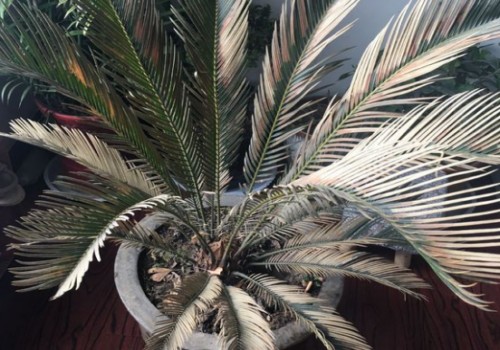
There are quite a few causes of yellowing leaves on the sago palm, and the reasons differ between yellowing new leaves and old leaves. We need to investigate using scientific methods and then take corresponding corrective measures, so that the yellowing leaves can be improved and prevented, allowing the plant to sprout green again, resume normal growth, and return to its former good ornamental appearance.
1. Soil Alkalization
The sago palm likes a fertile, loose, well-aerated and well-draining, slightly acidic soil environment. If the potting soil gradually becomes alkaline, the plant cannot grow normally in such soil, so when the plant is growing poorly, it is quite prone to yellowing leaves. We can combine loosening the soil with watering the plant with a little ferrous sulfate solution, diluted at a ratio of 1:500 before use. At the same time, keep watering once a week, and after 3-5 consecutive times, the yellowing of the leaves can be improved.
2. Improper Light
Although the sago palm is a plant that likes a warm, sunny growing environment, and insufficient light can easily cause leggy growth and also cause leaves to turn yellow, if the light intensity is too strong in summer, the leaves can also get scorched and turn withered and yellow. So, apart from providing appropriate shade in summer, it should be given plenty of sun in the other seasons, which can help avoid yellow leaves.
3. Improper Watering
Many flowering plants develop yellow leaves because overwatering causes root rot, and for a plant like the sago palm with fleshy roots, it is often even more sensitive to watering. When overwatered, root rot occurs, which gradually turns the leaves yellow and withered. If the young leaves turn yellow, control watering promptly; but if the pot lacks water for a long time, the plant's old leaves will also turn withered and yellow. So, we need to judge whether there is overwatering or underwatering based on whether the plant's young leaves or old leaves are turning yellow.
4. Over-Fertilizing
Although the sago palm quite likes a fertile potting soil environment, its root system is made up of fleshy roots, and improper fertilizing can easily cause fertilizer burn. Once the roots are damaged, the plant will develop yellow leaves. So, when potting, a little slow-release fertilizer can be used as a base fertilizer, then during the normal growing season, apply a thin organic fertilizer or compound fertilizer once a month, and try to follow "light fertilizer, applied frequently".
5. Iron Deficiency
If the potting soil lacks iron, the sago palm's leaves will turn yellow from iron deficiency, so we need to promptly supplement it with some nutrients, mainly iron. Usually ferrous sulfate can be used: add an appropriate amount to water, dilute fully and stir evenly, then spray it into the potting soil. In this way, after the sago palm gets enough iron, the yellowing of the leaves will gradually disappear.
6. Pests and Diseases
During growth, the sago palm is quite prone to spider mite infestation, which causes leaves to turn yellow, and of course disease can do the same. Once you find the plant infected with pests or diseases, promptly cut off the affected leaves, then use medication to deworm and sterilize the plant. At the same time, promptly improve the care environment, because a plant infected with pests and diseases is mostly caused by a poor care environment. After a period of care, once the plant grows new leaves, they will be green.