What are the precautions for making a bishop wood (Bischofia javanica) bonsai? Keep these points in mind
The bishop wood has a beautiful tree shape, uniquely distinctive leaves, and also has good medicinal value, so if any friends want to grow a bishop wood at home or make a bishop wood bonsai, you can choose your preferred propagation method to cultivate and care for it. I believe its beauty will surely bring you a beautiful visual enjoyment as well.
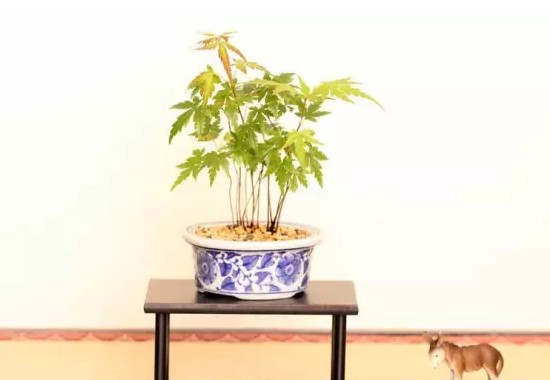
Using bishop wood to make bonsai is no longer a new thing, but finished bishop wood bonsai are quite expensive, so learning some bonsai-making methods is very necessary. So, what are the precautions for making a bishop wood bonsai?
1. Determine the best viewing side of the tree stump, because different viewing sides can produce different styling forms. Regardless of which viewing side, the principle is to not block or to block as little as possible of the trunk, since the main ornamental part of the tree stump is the aged-form trunk.
2. Study the overall morphological characteristics of the tree stump, and based on known styling forms and styling experience, predict the final form. There are two common major categories of bishop wood styling forms: forest-style bonsai and branch-pad-style bonsai. The choice between these two major categories depends on the trunk characteristics of the tree stump. If there are multiple sibling trunks, the trunk lengths and thicknesses are relatively uniform, the trunks are upright, and there are no obvious primary and secondary trunks, choose the forest-style bonsai styling method.
3. Forest-style bonsai styling is relatively simple: remove branches from the bottom upward and keep only the top branches to create pads. The pad positions of the top branches also need to coordinate with each other, so that pads extend evenly to the front, back, left, and right.
4. Make a clear estimate of the time needed for the work to take shape, and cultivate branch pads purposefully. After the tree stump's pads are set and created, the final length of the pad-position branches and the overall pad traits must be determined according to the tree stump's growth condition, so as to achieve even growth of the whole stump and take shape within the scheduled time.